Plant-Based Diet: A Simple Guide for Beginners
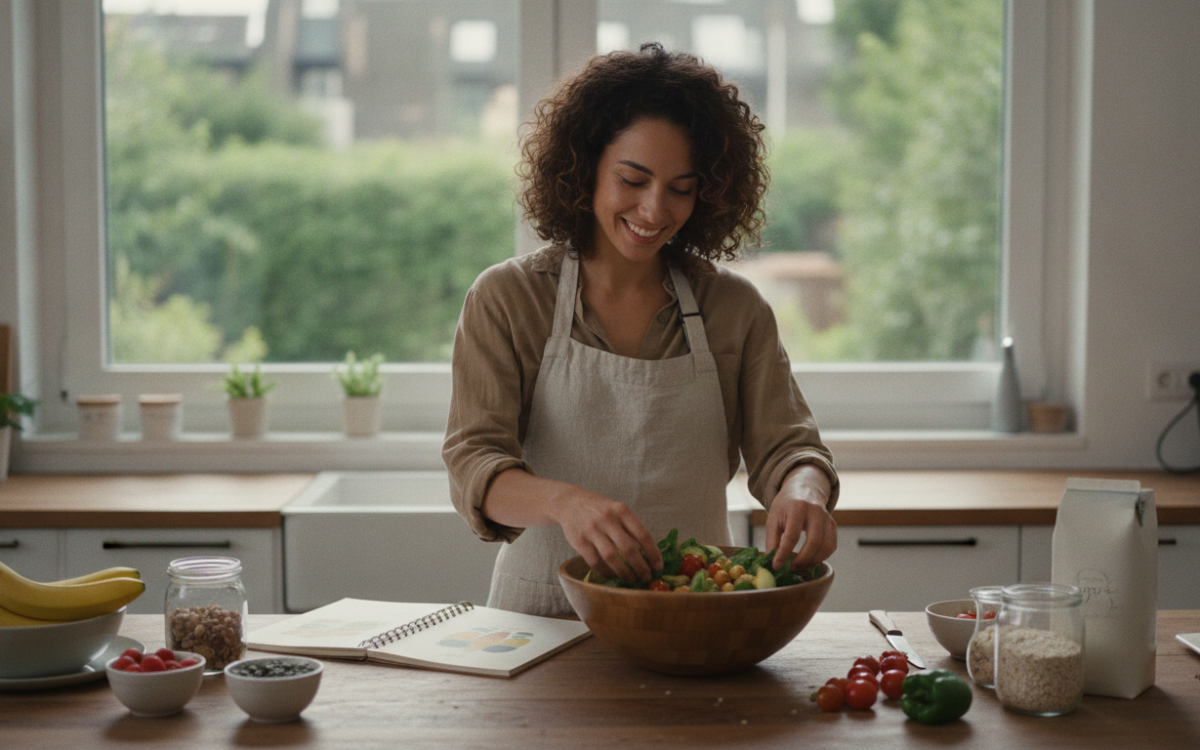
Quick answer: A plant-based diet puts most of your food choices on plants. Think veggies, fruits, beans, grains, nuts, and seeds. Some people cut out all animal products, while others just eat less meat. A plant-based diet can help your heart, gut, and energy.
Key Takeaways
- A plant-based diet focuses on whole plant foods like beans, grains, fruits, and vegetables.
- Vegan diets remove all animal products, while plant-based eating can be more flexible.
- Protein, B12, and iron need extra care when you eat mostly plants.
- Small swaps make it easier to start and stick with over time.
What is a plant-based diet?
A plant-based diet is one where most of your meals come from plants. That means vegetables, fruits, beans, lentils, whole grains, nuts, and seeds. Some people go fully vegan and skip all animal foods. Others keep a little meat or dairy but make plants the main event.
So the term can be loose. It does not have to be all or nothing. For example, you can start by making half your plate vegetables. Over time, you may lean more plant-forward. The goal is simple. Eat more whole plant foods and less processed stuff.
Why does a plant-based diet matter for health?
A plant-based diet matters because plants are packed with good things. They give you fiber, vitamins, and healthy fats. Also, they are low in the fats that can clog your arteries.
Research links plant-rich eating to a lower risk of heart disease, type 2 diabetes, and some cancers. Fiber also feeds the good bugs in your gut. That can help digestion and mood. You can read more from the NIH on how food affects your health.
However, no single food is magic. The whole pattern is what counts. A plant-based diet built on chips and white bread is not healthy. Focus on real, whole foods first.
How do you start a plant-based diet?
You start small. You do not need to change everything at once. Pick one meal a day and make it plant-based. Breakfast is often the easiest place to begin.
Here are some simple swaps to try:
- Use beans or lentils in place of some meat.
- Swap cow milk for soy or oat milk.
- Snack on nuts, fruit, or hummus with veggies.
- Fill half your plate with vegetables at dinner.
- Try whole grains like brown rice, oats, and quinoa.
Also, keep easy foods on hand. Canned beans, frozen veggies, and pre-cooked grains save time. When healthy food is ready to grab, you eat it more.
Can you get enough protein on a plant-based diet?
Yes, you can get plenty of protein on a plant-based diet. Many people worry about this, but plants have protein too. You just need a mix of sources through the day.
Good options include beans, lentils, chickpeas, tofu, tempeh, edamame, nuts, seeds, and whole grains. For example, a bowl of lentils with rice gives you a solid protein combo. Peanut butter on whole grain toast works too.
Most people hit their protein needs without much fuss. You do not need to track every gram. Just eat a variety of plant foods and enough total calories.
What nutrients need extra care?
A few nutrients need attention on a plant-based diet, especially a fully vegan one. The big one is vitamin B12. Plants do not make it, so vegans should take a B12 supplement or eat fortified foods.
Other nutrients to watch are iron, zinc, calcium, omega-3 fats, and vitamin D. You can get these from plants, but you need to plan a bit. For example, pair iron-rich foods like spinach with vitamin C to boost how much you absorb.
Here is a quick list to keep in mind:
- B12: take a supplement or eat fortified foods.
- Iron: eat beans, tofu, and leafy greens with vitamin C.
- Calcium: try fortified plant milk, tofu, and greens.
- Omega-3: eat flax, chia, walnuts, or take an algae oil.
Who should be careful with a plant-based diet?
Most people can thrive on a plant-based diet. However, some folks need extra planning. Pregnant people, growing kids, and older adults have higher needs for certain nutrients.
If you have a health condition or take medicine, changes to your diet can matter. Because of this, it helps to check in before a big shift. A dietitian can make a plan that fits your body and your life.
Are plant-based diets hard to keep up?
A plant-based diet gets easier with time. At first it feels like a lot to learn. But soon you build a set of go-to meals. Then it just becomes normal.
To stay on track, cook in batches and try new recipes often. Also, be kind to yourself. If you slip, just start fresh at the next meal. Progress beats perfection every time.
Ready to try it? Pick one meal this week and make it plant-based. Small steps add up fast. And always talk to your doctor or a dietitian before making big diet changes, especially if you have health concerns.
Frequently Asked Questions
Is a plant-based diet the same as vegan?
Not exactly. A vegan diet removes all animal products like meat, dairy, eggs, and honey. A plant-based diet focuses on plant foods but can be more flexible. Some people eat mostly plants with a little meat or dairy. Both put plants at the center of meals.
Will I lose weight on a plant-based diet?
Many people do lose weight because plant foods are high in fiber and lower in calories. Fiber keeps you full longer. However, results depend on your full diet. Eating lots of processed vegan snacks can slow things down. Whole plant foods give the best results.
Do I need supplements on a plant-based diet?
If you eat fully vegan, you should take vitamin B12 since plants do not provide it. You may also need vitamin D and omega-3. Iron, calcium, and zinc come from plants, but plan well. A blood test and a dietitian can help you know what you need.
Can kids eat a plant-based diet safely?
Yes, kids can eat a plant-based diet with good planning. They need enough calories, protein, healthy fats, and key nutrients to grow. Because their needs are higher, it is smart to work with a pediatrician or dietitian. This helps avoid gaps in important vitamins and minerals.
Is a plant-based diet more expensive?
It does not have to be. Staples like beans, lentils, rice, oats, and frozen veggies are cheap and filling. Costs rise with fancy meat substitutes and specialty products. Cooking at home and buying in bulk keeps a plant-based diet affordable for most budgets.
For more, see our Nutrition & Diet articles.
This article is for general information only. It is not medical advice. Talk to your doctor before you make changes to your health routine.