Sleep Hygiene Tips for Better Rest Each Night
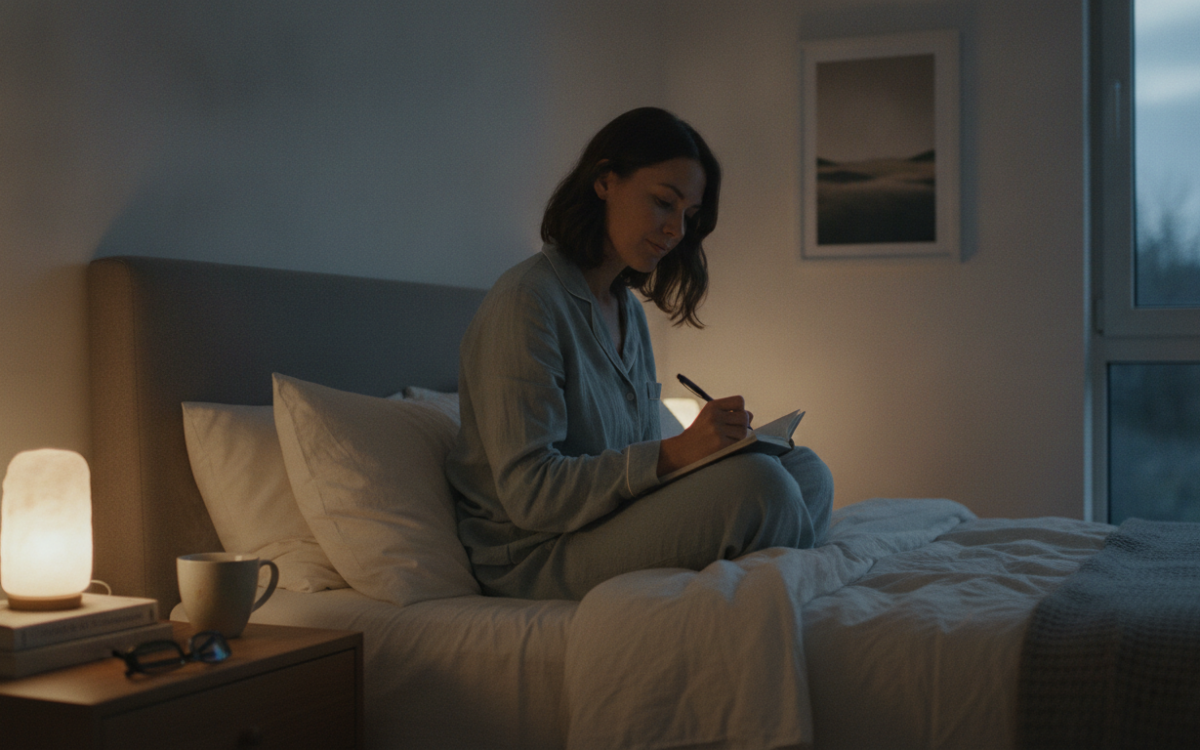
Quick answer: Sleep hygiene tips are simple daily habits that help you fall asleep faster and sleep deeper. They work with your body clock by keeping a steady sleep schedule, limiting light at night, and building a calm routine. Small changes can make rest feel much easier.
Key Takeaways
- Your body clock controls when you feel sleepy and alert each day.
- Going to bed and waking at the same time is one of the best sleep hygiene tips.
- Bright light in the evening pushes your sleep later and hurts rest.
- Morning sunlight helps reset your body clock naturally.
What are sleep hygiene tips?
Sleep hygiene tips are daily habits that help you sleep well. They set up your body and your bedroom for good rest. Think of them as the basics. Good habits make sleep come easier. Bad habits push it away.
These tips work best when you do them most nights. For example, a steady bedtime trains your brain. Over time, your body starts to feel sleepy at the right hour. That is the goal.
How does your body clock work?
Your body clock is an inner timer that runs on about a 24 hour cycle. Scientists call this your circadian rhythm. It tells you when to feel awake and when to feel tired.
Light is the biggest signal for this clock. In the morning, bright light tells your brain it is time to wake up. At night, darkness tells it to wind down. This is the science of chronobiology, and it shapes how good sleep hygiene tips work.
Also, your body makes a hormone called melatonin at night. It helps you feel sleepy. Bright light at night can slow it down. That is why screens before bed can keep you awake.
Why do sleep hygiene tips matter?
Sleep hygiene tips matter because poor sleep affects your whole body. It can hurt your mood, your focus, and your health over time. Good sleep helps your heart, your memory, and your immune system.
When your habits fight your body clock, you feel groggy. For example, late nights and random wake times confuse your inner timer. But when your habits match your clock, sleep gets easier. You wake up feeling more rested.
You can learn more about sleep and health from the CDC.
Best sleep hygiene tips to try tonight
Here are simple steps you can start right away. Pick one or two first. Then add more as they become normal.
- Go to bed and wake up at the same time every day, even on weekends.
- Get sunlight in the morning to wake up your body clock.
- Dim the lights an hour before bed.
- Keep your room cool, dark, and quiet.
- Stop screens about an hour before sleep.
- Skip caffeine in the afternoon and evening.
- Avoid big meals late at night.
- Use your bed only for sleep, not for work.
These sleep hygiene tips may feel small. But together they add up. Your body loves a steady pattern.
How long until sleep hygiene tips work?
Most people notice a change within one to three weeks. Your body clock needs time to adjust. So give it patience. Do not expect perfect sleep on the first night.
Stay steady, even if one night goes badly. One rough night is normal. The key is the overall pattern. Because your clock learns from repeat signals, consistency matters more than any single day.
Common sleep hygiene tips mistakes
Some habits seem helpful but hurt your sleep. For example, long naps late in the day can keep you up at night. Also, drinking alcohol before bed may make you sleepy at first. But it breaks up your deep sleep later.
Another mistake is lying in bed awake for a long time. If you cannot sleep after about 20 minutes, get up. Do something calm. Then go back when you feel tired. This keeps your bed tied to sleep.
Also, watch your weekend schedule. Sleeping in very late can shift your body clock. Then Monday feels harder. Keeping wake times close across all days is one of the most useful sleep hygiene tips.
Making sleep hygiene tips a habit
Start small and build slowly. Choose one change this week. Maybe it is a fixed wake time. Next week, add morning light. Small wins stack up over time.
Also, set a wind down routine. For example, read a book, stretch, or take a warm shower. These signals tell your brain that sleep is near. Soon your body starts to respond on its own.
Try these sleep hygiene tips for a few weeks. Keep notes on how you feel each morning. If sleep problems keep going, talk to your doctor to rule out other causes.
Frequently Asked Questions
What is the most important sleep hygiene tip?
Keeping a steady sleep and wake time is the most important habit. It trains your body clock to feel sleepy and alert at the right hours. This makes falling asleep easier. Stay consistent every day, even on weekends, for the best and most lasting results.
How does light affect sleep?
Light is the main signal for your body clock. Bright light in the morning helps you wake up and feel alert. Light at night, like from screens, slows melatonin and keeps you awake. So dim your lights in the evening to help your body wind down.
Can naps hurt my sleep?
Naps can help if they are short and early. But long naps or late naps may make it hard to fall asleep at night. Keep naps under 30 minutes and before mid afternoon. This way you get rest without hurting your nighttime sleep.
Why do I wake up tired even after enough hours?
You may be sleeping out of sync with your body clock. Random bedtimes, late screens, or evening caffeine can break up deep sleep. Even with enough hours, broken sleep feels less restful. Steady habits and morning light often help you wake up feeling better.
How long should it take to fall asleep?
Most people fall asleep within 15 to 20 minutes. Falling asleep the second you lie down may mean you are very tired. Taking much longer can point to stress or poor sleep habits. If it takes a long time often, review your routine or talk to a doctor.
For more, see our Health & Wellness articles.
This article is for general information only. It is not medical advice. Talk to your doctor before you make changes to your health routine.