Trauma and PTSD: Signs, Causes, and How to Heal
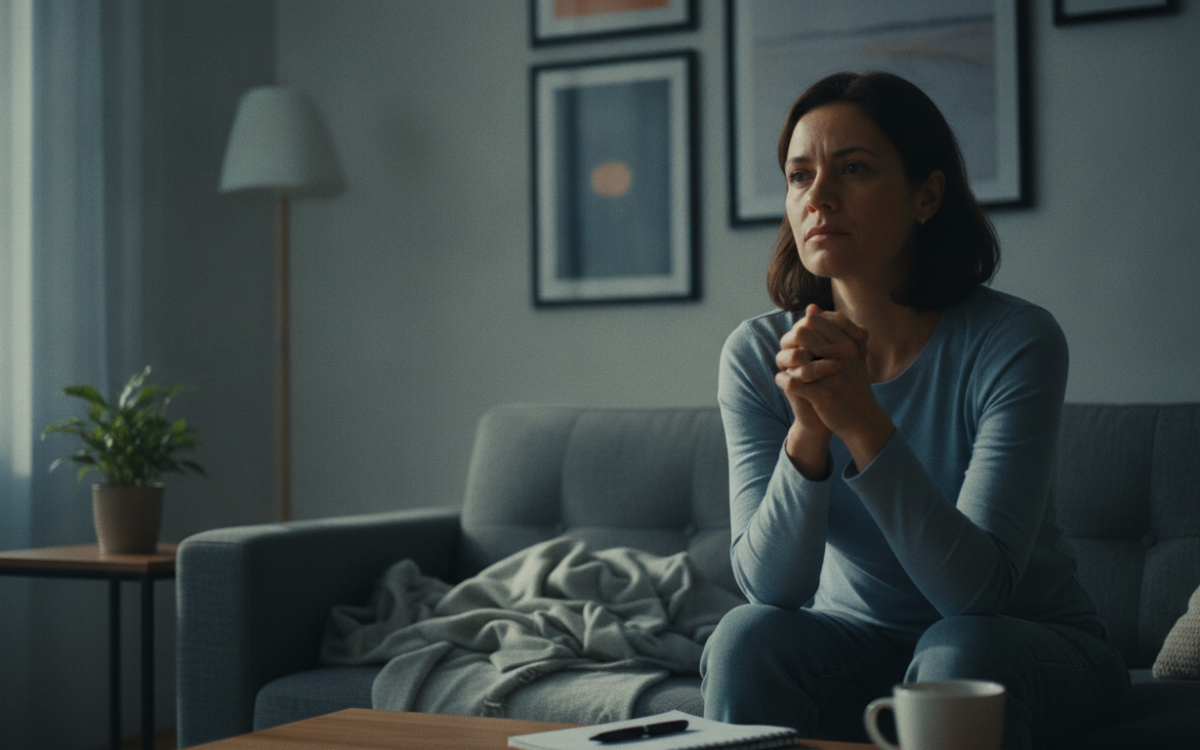
Quick answer: Trauma and PTSD happen when a scary or painful event keeps affecting you long after it ends. You may feel fear, flashbacks, or numbness. It is a real health condition, not weakness, and it can improve with support and proper treatment.
Key Takeaways
- Trauma and PTSD can follow any deeply frightening or painful event.
- Common signs include flashbacks, bad sleep, and feeling on edge.
- PTSD is a real medical condition, not a personal failing.
- Talk therapy and support can help most people feel better over time.
- Reaching out early makes healing easier.
What is trauma and PTSD?
Trauma and PTSD describe how a scary event can leave a lasting mark on your mind and body. Trauma is the wound from a painful event. PTSD is a set of symptoms that stick around long after the danger is gone.
Not everyone who goes through a hard time gets PTSD. But for some people, the brain stays stuck in alarm mode. The body acts like the danger is still here, even when it is not.
What causes trauma and PTSD?
Trauma and PTSD can come from many kinds of events. Any moment that feels deeply unsafe can cause it.
Common causes include:
- Car crashes or bad accidents
- Abuse or violence
- War or combat
- Natural disasters
- The sudden loss of someone you love
- Serious illness or injury
Also, trauma can build up over time. For example, years of stress or neglect can add up. It does not have to be one big event. Small hurts can pile on too.
What are the signs of trauma and PTSD?
The signs of trauma and PTSD show up in the mind, the body, and daily life. They often start soon after the event. However, sometimes they appear months later.
Watch for these signs:
- Flashbacks or bad memories that feel real
- Nightmares and poor sleep
- Feeling jumpy or on edge
- Avoiding places or people that remind you of the event
- Feeling numb or cut off from others
- Trouble focusing
- Sudden anger or sadness
These feelings are normal after a shock. But when they last for weeks and get in the way of life, it may be PTSD.
How does trauma and PTSD affect the body?
Trauma and PTSD do not just live in your thoughts. They also change how your body works. Because the brain thinks danger is near, it keeps the body ready to fight or run.
This can cause a racing heart, tight muscles, and headaches. Also, many people get stomach trouble or feel tired all the time. Sleep often gets worse. Over time, this stress can wear the body down.
That is why healing works best when it cares for both the mind and body. Rest, movement, and calm both matter.
Why does getting help matter?
Getting help matters because trauma and PTSD can get better with the right care. You do not have to just wait it out alone.
Talk therapy is one of the best tools. A trained therapist can help you feel safe again. Some kinds of therapy help you face memories in a gentle way. Others teach skills to calm your body. In some cases, a doctor may suggest medicine too.
Support from friends and family also helps a lot. You can learn more about mental health care from the NIH.
Simple ways to cope day to day
While you seek help, small steps can ease the load. These will not cure trauma and PTSD, but they can bring comfort.
Try these:
- Keep a steady sleep routine
- Move your body with a walk each day
- Breathe slowly when you feel panic rise
- Limit alcohol and caffeine
- Stay close to people you trust
- Write down your feelings
Also, be patient with yourself. Healing is not a straight line. Some days feel hard. That is okay. Because progress often comes slowly, small wins still count.
When should you reach out?
Reach out when the signs of trauma and PTSD last more than a month or stop you from living your life. You should not wait until things feel unbearable.
Get help right away if you have thoughts of harming yourself. You deserve care, and help is out there. Speaking up is a sign of strength, not weakness.
Recovery from trauma and PTSD is possible. Many people go on to feel safe and hopeful again. With support, the past can loosen its grip.
If you notice these signs in yourself or someone close, take the first step today. Reach out to a friend, a helpline, or a counselor. Please talk to a doctor or mental health professional for care that fits your needs.
Frequently Asked Questions
How long does PTSD last?
PTSD can last months or years if it is not treated. However, many people improve within a few months once they start therapy. The length depends on the person, the event, and the support they get. Early care often leads to faster healing and better results over time.
Can trauma and PTSD go away on their own?
Sometimes mild symptoms fade with time and support. But trauma and PTSD often need real care to fully heal. Waiting alone can make things worse. Talk therapy and support from loved ones give you the best chance to feel safe and calm again.
Is PTSD only for soldiers?
No. Anyone can get PTSD. While soldiers may face it, so can survivors of accidents, abuse, disasters, or loss. PTSD is about how an event affects you, not who you are. It can happen to children and adults from all walks of life.
What helps most with trauma and PTSD?
Talk therapy with a trained professional helps most people. Some therapies gently work through memories, while others teach calming skills. Support from family, good sleep, and daily movement also help. In some cases, a doctor may add medicine to ease the symptoms.
Can children get PTSD?
Yes. Children can get PTSD after scary or painful events. Their signs may look different, like clinginess, bad dreams, or acting out during play. Kids heal well with love, safety, and support. A pediatrician or child therapist can guide the right care.
For more, see our Mental Health articles.
This article is for general information only. It is not medical advice. Talk to your doctor before you make changes to your health routine.