Functional Fitness Training for Everyday Strength
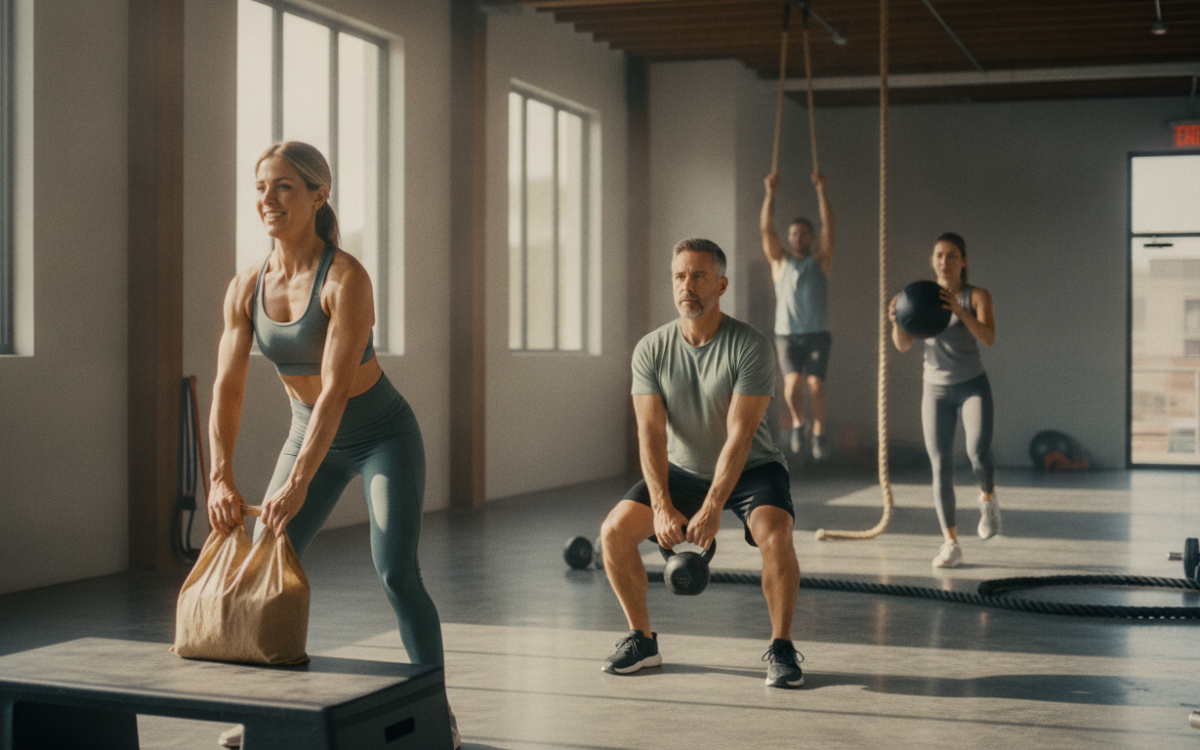
Quick answer: Functional fitness training uses moves that copy daily life, like squatting, lifting, and reaching. It builds strength, balance, and mobility for real tasks. This helps you carry groceries, climb stairs, and play with less pain and more ease every day.
Key Takeaways
- Functional fitness training copies real life moves like bending, lifting, and pushing.
- It builds balance, core strength, and better posture for daily tasks.
- You can start at home with no equipment and just your body weight.
- Recreational fitness adds fun games and play to keep you moving.
What is functional fitness training?
Functional fitness training is exercise that copies the way you move in real life. Think about squatting to pick up a box. Or reaching for a high shelf. These moves use many muscles at once.
Most gym machines work one muscle at a time. But your body does not work that way in daily life. Functional fitness training trains your body to work as a team. Because of this, everyday tasks feel easier.
It also helps your balance and core. For example, standing on one leg while you reach forward. That builds control you use every day.
How does functional fitness training work?
It works by training movement patterns, not just muscles. There are a few basic patterns your body uses all day. When you practice them, you get stronger and steadier.
Here are the main patterns:
- Squat, like sitting down and standing up.
- Hinge, like bending to lift something.
- Push, like pushing a door open.
- Pull, like opening a heavy drawer.
- Carry, like holding grocery bags.
- Rotate, like twisting to grab a seatbelt.
Functional fitness training mixes these patterns into full body moves. As a result, you use more muscles in less time. Also, your joints move through their full range.
Why does functional fitness training matter?
It matters because it keeps you able to do the things you love. Strong, mobile bodies handle daily life with less pain. That means fewer falls and fewer strains.
Regular activity also supports your heart and mood. The CDC suggests adults move most days of the week. Functional fitness training is one simple way to hit that goal.
As you age, this kind of training becomes even more useful. It keeps your muscles ready for stairs, gardening, and playing with kids. However, people of any age can benefit.
Simple functional fitness training moves to start
You can begin at home with no gear at all. Start slow and focus on good form. Quality beats speed every time.
Bodyweight squat
Stand with feet about hip width apart. Sit back like you are reaching for a chair. Keep your chest tall. Then stand up. This copies getting off the couch.
Hip hinge
Push your hips back and let your body fold forward. Keep your back flat. Feel a stretch in your legs. This teaches you to lift safely.
Farmer carry
Hold a weight in each hand. A water jug or bag works fine. Walk tall for a short distance. This builds grip and core strength.
Do a few rounds of each. Rest when you need to. Over time, add reps or a little more weight.
What is recreational fitness?
Recreational fitness is exercise that feels like play. It is fun, social, and easy to enjoy. Think hiking, dancing, biking, or a game of pickup basketball.
It pairs well with functional fitness training. One builds your base of strength. The other keeps you excited to move. Because it is fun, you are more likely to stick with it.
You do not need to pick just one. For example, you might train squats and carries during the week. Then you go for a long bike ride on the weekend. Both count.
How to build a simple weekly plan
Aim for a mix of strength, movement, and fun. You do not need hours. Short, steady sessions work great.
Try this easy layout:
- Two or three days of functional fitness training.
- One or two days of recreational fitness, like a walk or game.
- One day of gentle stretching or rest.
Also, listen to your body. Some soreness is normal. Sharp pain is not. If a move hurts, stop and check your form.
Warm up first with light movement. Then cool down with slow stretches. This helps you recover and feel good.
Common mistakes to avoid
Many people rush and skip form. That leads to strain. Slow down and move well instead.
Another mistake is doing too much too soon. Your body needs time to adapt. Start small and build up week by week. Because rest matters, give muscles a day to recover.
Also, do not ignore balance and core work. These are the heart of functional fitness training. They protect your back and keep you steady.
Ready to feel stronger for daily life? Pick two moves and try them today. Keep it simple and stay steady.
Talk to your doctor before starting any new exercise plan, especially if you have health concerns or injuries.
Frequently Asked Questions
Is functional fitness training good for beginners?
Yes. Functional fitness training works well for beginners because it uses natural moves you already do. Start with bodyweight squats and gentle hinges. Focus on good form first. As you get stronger, you can add light weights or more reps slowly and safely.
Do I need equipment for functional fitness training?
No, you do not need equipment to start. Your own body weight is enough for squats, lunges, and core work. Later, simple items like water jugs, bags, or resistance bands can add challenge. This keeps functional fitness training cheap and easy to do at home.
How often should I do functional fitness training?
Most people do well with two or three sessions a week. This gives your muscles time to rest and grow. Mix in recreational fitness like walking or biking on other days. Always leave at least one day for rest so your body can recover fully.
What is the difference between functional and recreational fitness?
Functional fitness training builds strength for real life tasks like lifting and carrying. Recreational fitness is exercise that feels like play, such as hiking or dancing. They work great together. One builds your base, and the other keeps you moving and having fun.
Can functional fitness training help with back pain?
It may help by building core strength and teaching safe lifting. Strong hips and a stable core support your spine. However, results vary from person to person. If you have back pain, talk to a doctor or physical therapist before starting any new exercise routine.
For more, see our Fitness articles.
This article is for general information only. It is not medical advice. Talk to your doctor before you make changes to your health routine.