Mobility and Flexibility Tips for a Better Body
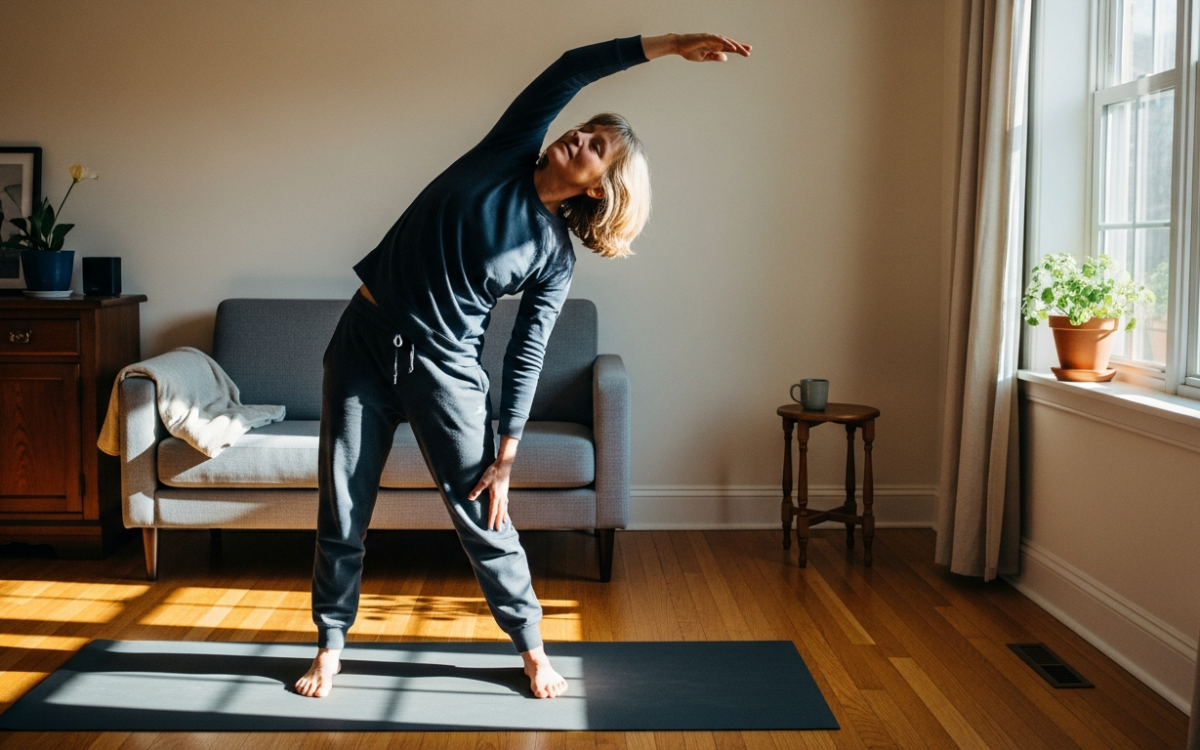
Quick answer: Mobility and flexibility work together to help your body move freely. Mobility is how well your joints move. Flexibility is how far your muscles stretch. Together they ease stiffness, cut injury risk, and make daily movement feel smooth and easy.
Key Takeaways
- Mobility is joint movement. Flexibility is muscle length. You need both.
- Stretching a little each day helps you move better and feel less stiff.
- Warm up before you stretch to protect your muscles.
- Dynamic stretches fit before workouts. Static stretches fit after.
What is mobility and flexibility?
Mobility and flexibility describe how well your body moves. Mobility is how far a joint can move. Flexibility is how far a muscle can stretch. They sound the same, but they are not.
Think of your knee. Mobility is how it bends and straightens. Flexibility is how long your hamstring can reach. You need both to move well. For example, a stiff hip can make walking feel hard. Tight muscles can pull on your joints.
When you build mobility and flexibility, everyday tasks get easier. Bending down. Reaching up. Turning to look behind you. All of it feels smoother.
Why does mobility and flexibility matter?
Mobility and flexibility matter because they keep you moving without pain. Stiff joints and tight muscles can slow you down. Over time, they may lead to aches or injury.
Good movement also helps your posture. It supports your back. It keeps your muscles balanced. Also, better range of motion means you can play, lift, and rest more comfortably.
As we age, we tend to lose some range of motion. However, regular stretching can slow that down. It keeps your body feeling younger and stronger. The CDC notes that regular activity, including stretching, helps keep adults healthy and active.
How do you improve mobility and flexibility?
You improve mobility and flexibility with steady, gentle practice. You do not need to stretch for hours. A few minutes each day works well.
Start with a warm up. Cold muscles do not stretch well. A short walk or some arm circles get blood flowing. Then move into your stretches slowly.
Here are simple ways to build mobility and flexibility:
- Do gentle stretches most days of the week.
- Hold each stretch for about 20 to 30 seconds.
- Breathe deep and relax into the stretch.
- Never bounce or force a stretch.
- Move each joint through its full range.
Be patient. Progress comes slowly. But it does come.
Dynamic versus static stretching
There are two main types of stretches. Both help mobility and flexibility, but at different times.
Dynamic stretches use movement. Think leg swings, arm circles, or slow lunges. They are great before a workout. Because they warm your muscles up and get your joints ready.
Static stretches hold still. You reach and hold a position. These fit best after a workout. When your muscles are warm, they stretch further. Also, holding a stretch helps your body cool down.
So use dynamic moves to start. Use static holds to finish. This simple mix keeps your routine safe and useful.
Simple mobility and flexibility routine
You can build a short daily routine in about ten minutes. First, warm up with a quick walk. Then try these easy moves.
Roll your shoulders back and forth. Circle your hips slowly. Reach your arms overhead and hold. Gently touch your toes with soft knees. Twist your torso side to side.
Try each move for about 30 seconds. Breathe the whole time. This mobility and flexibility routine loosens the areas that get stiff most. Your neck, back, hips, and legs.
Do this in the morning to wake up your body. Or do it at night to unwind. Consistency beats intensity. A little each day adds up fast.
Common mistakes to avoid
Many people rush their stretching. That can cause harm. Here are mistakes to watch for.
First, skipping the warm up. Cold muscles can strain. Second, bouncing. Quick jerks can pull a muscle. Third, holding your breath. Breathing helps you relax and go deeper.
Also, do not push into sharp pain. A gentle pull is fine. Pain is a warning. Stop if it hurts. Good mobility and flexibility come from kind, steady effort, not force.
Finally, do not compare yourself to others. Every body is different. Focus on your own progress.
How often should you stretch?
Aim to stretch most days for the best mobility and flexibility. Even five to ten minutes helps. Daily habits work better than one long session each week.
You can also stretch during breaks. Stand up and reach if you sit a lot. Roll your shoulders after screen time. These small moments add up.
Listen to your body. Some days you feel loose. Other days you feel stiff. Adjust as needed. The goal is steady movement, not perfection.
Ready to feel looser and stronger? Start with just five minutes today. Your body will thank you. And before you begin any new routine, talk to your doctor, especially if you have a health condition or past injury.
Frequently Asked Questions
What is the difference between mobility and flexibility?
Mobility is how well a joint moves through its range. Flexibility is how far a muscle can stretch. They work together. Good mobility and flexibility let you move freely, bend easily, and avoid stiffness. You need both for smooth, pain free movement in daily life.
How long should I hold a stretch?
Hold each static stretch for about 20 to 30 seconds. This gives your muscles time to relax and lengthen. Breathe deep the whole time. Never bounce or force it. For dynamic stretches, keep moving gently instead of holding. Repeat each move a few times for best results.
Can stretching help with stiff joints?
Yes, stretching can ease stiff joints. Gentle movement warms the area and boosts blood flow. Over time, regular mobility and flexibility work keeps joints moving well. It also supports the muscles around them. Start slow and gentle. If a joint hurts a lot, see your doctor first.
Should I stretch before or after exercise?
Do both, but use different types. Before exercise, use dynamic stretches that move your body, like leg swings. They warm you up. After exercise, use static stretches that you hold still. Your muscles are warm then, so they stretch further and help you cool down.
How often should I work on mobility and flexibility?
Aim for most days of the week, even just five to ten minutes. Daily practice beats one long session. Small habits add up fast. Stretch in the morning, at night, or during breaks. Consistency is what builds better mobility and flexibility over time.
For more, see our Fitness articles.
This article is for general information only. It is not medical advice. Talk to your doctor before you make changes to your health routine.