Macronutrient Ratios Made Simple for You
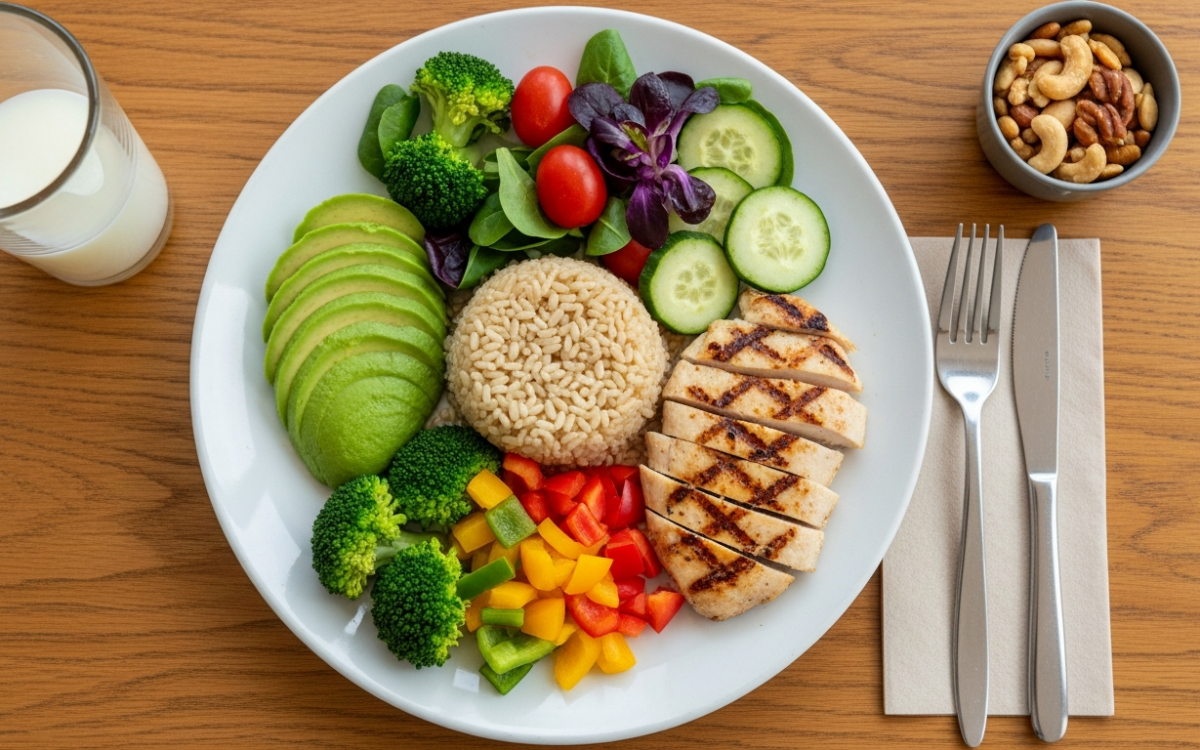
Understanding macronutrient ratios can help you build better meals. These ratios show how much of your food comes from proteins, fats, and carbs. Also, they guide how you feel each day. In short, the right balance can boost your energy and health.
Let me break it down in plain words. Your body needs all three of these nutrients. However, the amounts can shift based on your goals and your body.
What Are Macronutrient Ratios?
Macronutrient ratios split your daily food into three parts. Those parts are protein, fat, and carbs. Each one gives your body something it needs.
Protein builds and repairs your muscles. Fat helps your brain and hormones. Carbs give you quick energy. Because of this, cutting one out fully is not smart.
A common starting point looks like this. Around 45 to 65 percent of your calories from carbs. About 20 to 35 percent from fat. And 10 to 35 percent from protein. These are wide ranges on purpose. Everyone is different.
Why Macronutrient Ratios Matter
Your macronutrient ratios shape how you feel and perform. For example, more protein can keep you full longer. That helps with hunger between meals.
Also, the right amount of carbs fuels your workouts. Fat keeps your body running smooth. In short, balance beats extremes.
Here is a simple look at what each one does:
- Protein: Builds muscle and keeps you full. Found in eggs, beans, fish, and chicken.
- Fat: Supports brain and hormones. Found in nuts, olive oil, and avocado.
- Carbs: Gives fast energy. Found in fruit, rice, oats, and bread.
You do not need to be perfect. However, knowing these basics helps you plan meals with more care.
How to Find Your Own Balance
There is no one plan for everyone. Your needs depend on your age, size, and activity. An athlete may need more carbs. Someone building muscle may want more protein.
Start by looking at your goals. Do you want more energy? Do you want to lose or gain weight? These answers shape your choices.
Next, watch how you feel. Some people feel great with more fat. Others do better with more carbs. Because bodies differ, small tests can help.
For solid nutrition facts, you can check trusted sources like the NIH. They share clear science on food and health.
Simple Ratio Examples
Let me show a few easy setups. These are just examples, not rules.
A balanced plan might be 40 percent carbs, 30 percent protein, and 30 percent fat. This works well for many active people. Also, it keeps hunger low.
A higher carb plan might be 55 percent carbs, 25 percent protein, and 20 percent fat. This suits people who move a lot or train hard.
A higher fat plan might be 20 percent carbs, 25 percent protein, and 55 percent fat. Some people like this for steady energy. However, it is not for everyone.
Tips to Hit Your Macronutrient Ratios
Reaching your macronutrient ratios does not have to be hard. Small steps add up fast. Here are some easy ways to start.
First, fill half your plate with veggies and fruit. They add fiber and vitamins. Also, they help with carbs in a healthy way.
Second, add a protein source to each meal. Think eggs at breakfast or beans at lunch. This keeps you full.
Third, use good fats in small amounts. A drizzle of olive oil works well. A handful of nuts is great too.
Fourth, read food labels. They show grams of protein, fat, and carbs. Because of this, you can track your day with ease.
Common Mistakes to Avoid
Many people make the same slips. For example, they cut carbs too low and feel tired. Others eat too little protein and stay hungry.
Also, some skip fat because they fear it. But healthy fat is good for you. In short, do not fear any one group.
Another mistake is chasing perfect numbers. You do not need to weigh every bite. Instead, aim for steady habits. That matters more over time.
Making Macronutrient Ratios Work Long Term
The best plan is one you can keep. Fancy diets often fail because they feel too strict. However, simple habits last.
Try to plan meals ahead. This makes it easier to hit your macronutrient ratios each day. Also, keep healthy snacks close by.
Stay flexible too. Life gets busy. One off day will not ruin your progress. Because consistency beats one perfect meal.
Listen to your body as you go. Energy, mood, and sleep tell you a lot. If you feel off, adjust your ratios a bit.
Remember, food should feel good. It fuels your life and your fun. Balance helps you enjoy meals without stress.
Wrapping It Up
Learning your macronutrient ratios is a smart move. It gives you a clear way to build meals. Also, it helps you feel steady and strong.
Start small today. Pick one meal and balance it out. Then build from there. Over time, these steps become second nature.
Want to eat with more confidence? Try tracking one day of meals and see your macronutrient ratios in action. It is a great first step.
Always talk to your doctor or a dietitian before making big diet changes. They can help you find the right plan for you.
For more, see our Nutrition & Diet articles.
This article is for general information only. It is not medical advice. Talk to your doctor before you make changes to your health routine.