Sleep Hygiene Tips for a Better Body Clock
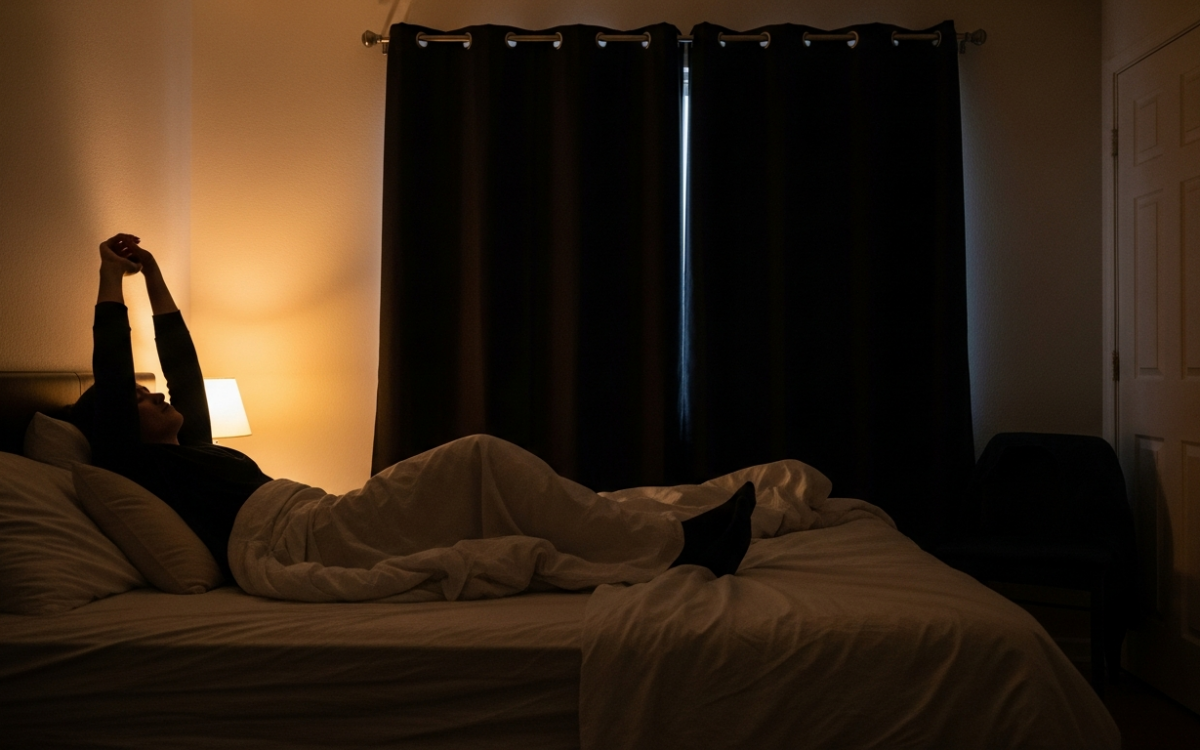
Good sleep hygiene is the set of daily habits that help you sleep well night after night. It sounds simple. But it can change how you feel all day. When your habits line up with your body clock, sleep comes easier. You wake up feeling more rested. In this post, we will look at what your body clock does and how sleep hygiene supports it.
What is your body clock?
Your body has a natural timer. It runs on about a 24 hour cycle. This is your circadian rhythm. It tells you when to feel awake and when to feel tired. It also controls things like body temperature and hormones.
Light is the biggest signal for this clock. In the morning, light tells your brain it is time to be alert. At night, darkness tells your body to make melatonin. That is the sleep hormone.
When your clock gets out of step, sleep gets hard. For example, late nights and bright screens can push your clock later. So you feel wired when you should feel sleepy.
How sleep hygiene supports your clock
Sleep hygiene works with your body clock, not against it. The goal is to send clear signals. Light in the day. Dark at night. A steady routine that repeats.
Here are core sleep hygiene habits that help:
- Go to bed and wake up at the same time each day.
- Get bright light soon after you wake up.
- Dim the lights an hour before bed.
- Keep your room cool, dark, and quiet.
- Skip caffeine late in the day.
- Stop screens before you turn in.
These may seem small. However, they add up. Because your clock loves routine, doing the same things each night trains your brain to relax.
Set a steady sleep and wake time
The most powerful sleep hygiene move is a fixed schedule. Pick a bedtime and a wake time. Then keep them close, even on weekends.
Why does this matter? Your body clock resets a little each day. A steady schedule keeps it strong. When you sleep in one day and stay up the next, your clock gets confused. That leads to grogginess and poor sleep.
Also, try not to nap too long or too late. A short nap early in the day is fine. But a long nap in the evening can steal from your night sleep.
Use light the right way
Light is your clock’s main cue. So use it on purpose.
In the morning, step outside or open the blinds. Natural light tells your brain the day has started. This helps you feel alert. It also sets a timer for sleep later that night.
At night, do the opposite. Lower the lights. Turn off bright screens. The blue light from phones and tablets can trick your brain into thinking it is still day. As a result, melatonin drops and sleep gets pushed back.
If you must use a screen, dim it. Better yet, put it down an hour before bed. Read a book or listen to soft music instead.
Build a calm bedtime routine
A wind down routine tells your body that sleep is near. Keep it simple and repeat it each night. Your brain learns the pattern fast.
Try a warm shower. Then a few slow breaths. Maybe some light stretching. Keep the lights low the whole time. In short, make the last hour of your day quiet and slow.
Also, watch what you eat and drink. A heavy meal late at night can keep you up. Caffeine can linger for hours, so cut it off by early afternoon. Alcohol may make you sleepy at first, but it breaks up your sleep later.
Fix your sleep space
Your room shapes your sleep. Small changes here boost your sleep hygiene fast.
Keep the room cool. A slightly cool room helps your body drop into sleep. Block out light with heavy curtains or a sleep mask. Cut noise with earplugs or a fan.
Use your bed for sleep only. When you work or scroll in bed, your brain links the bed with being awake. But when the bed means sleep, you drift off faster.
What to do when sleep will not come
Some nights are rough. That is normal. Do not lie there and stress about it. Stress makes sleep harder.
Instead, get up. Go to another room. Keep the lights low. Do something calm and boring until you feel sleepy. Then go back to bed. This keeps your bed tied to rest, not worry.
Try not to check the clock. Watching the minutes tick by only adds pressure. For more on healthy sleep habits, you can visit the CDC for trusted guidance.
Give your sleep hygiene time to work
Change does not happen in one night. Your body clock shifts slowly. So give new sleep hygiene habits a couple of weeks to settle in.
Start with one change. Maybe a fixed wake time. Then add morning light. Then a wind down routine. Small steps stick better than big ones.
Also, be kind to yourself. If you miss a night, just start fresh the next day. Good sleep hygiene is a habit you build over time, not a test you pass or fail.
In short, work with your body clock and it will work with you. Steady times, morning light, and a calm night routine can do a lot. Better sleep helps your mood, focus, and health.
Ready to sleep better? Pick one habit tonight and start there. If sleep problems last or you feel very tired during the day, talk to your doctor.
For more, see our Health & Wellness articles.
This article is for general information only. It is not medical advice. Talk to your doctor before you make changes to your health routine.