Understanding Macronutrients: Carbs, Protein, and Fat Explained
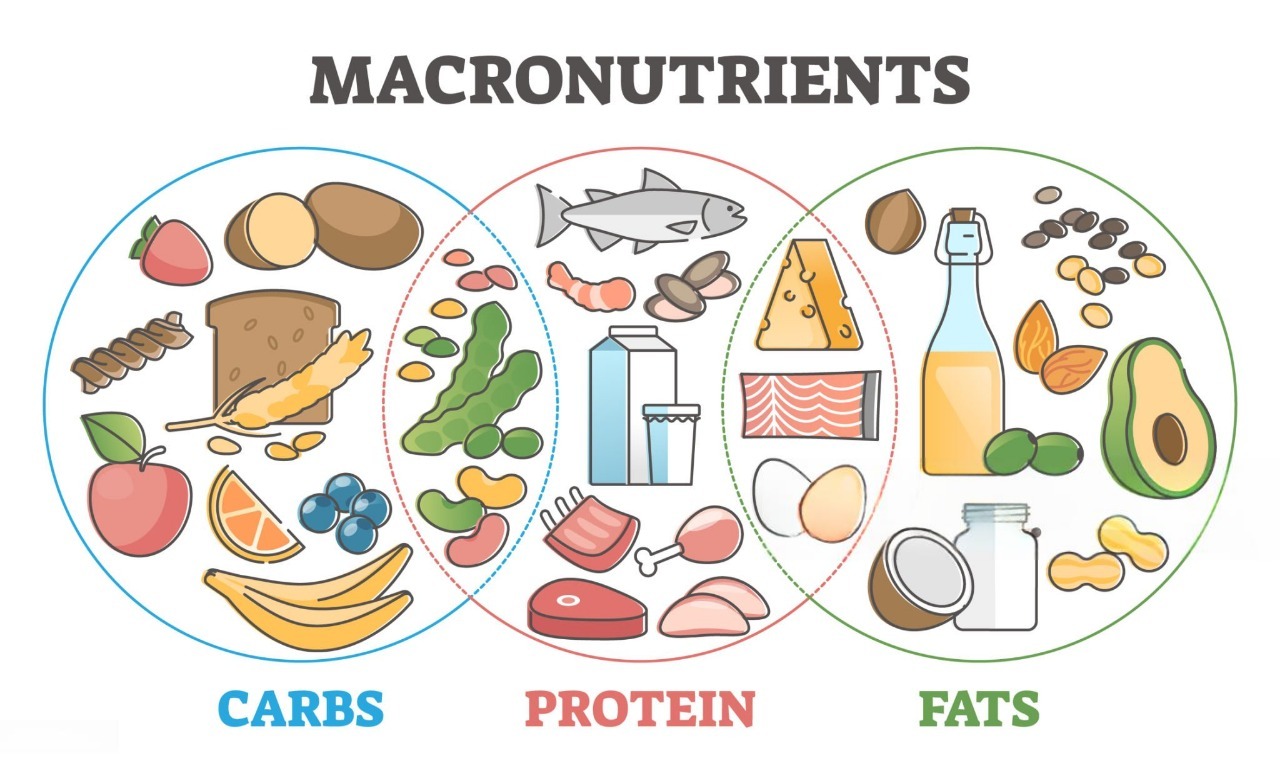
Understanding macronutrients is one of the best ways to take charge of your health. Nutrition plays a central role in long-term health, energy levels, disease prevention, and daily performance. Understanding how dietary patterns influence the body allows individuals to make informed decisions that support both short-term vitality and long-term resilience. This article explores key principles, practical applications, and evidence-based strategies for building a strong diet.
What Are Macronutrients?
Balanced eating is not about strict rules or extreme restriction. Instead, it involves consistent patterns that supply essential nutrients while supporting metabolic stability. Macronutrients are carbohydrates, protein, and fat. Each one serves a critical biological function. Carbohydrates give you quick energy. Protein builds and repairs tissue. Fat supports hormones and cell health.
Micronutrients such as vitamins and minerals also matter. They support immune function, neurological health, and cellular repair. You need both groups to feel your best.
Whole Foods and Macronutrients
Whole foods generally provide more nutritional value than highly processed alternatives. Vegetables, fruits, legumes, whole grains, lean proteins, and healthy fats contribute fiber, antioxidants, and phytonutrients. These nutrients help reduce inflammation and support organ function. Choosing whole foods is a simple way to get better quality macronutrients in every meal.
Hydration is another fundamental component of dietary health. Adequate water intake supports digestion, nutrient transport, temperature regulation, and cognitive clarity. Even mild dehydration can reduce concentration and energy. Drink water through the day to stay sharp.
Consistency Beats Perfection
Consistency is more important than perfection. Small improvements sustained over time create measurable benefits in cardiovascular health, blood sugar stability, and weight management. Short-term extreme dieting rarely produces lasting results. Aim for steady habits, not quick fixes.
Meal timing, portion awareness, and mindful eating also influence outcomes. Eating slowly, recognizing hunger and fullness cues, and minimizing distractions improve digestion and reduce overeating. Slow down at meals and pay attention to how you feel.
Personalizing Your Macronutrients
Personalization is essential. Age, activity level, medical conditions, and lifestyle demands all influence nutritional requirements. A sustainable plan aligns with personal preferences and cultural context while meeting physiological needs. Your ideal balance of macronutrients may look different from someone else’s, and that is fine.
Preventive nutrition emphasizes reducing risk factors before disease develops. Diets rich in fiber, healthy fats, and plant-based foods are associated with lower rates of cardiovascular disease, diabetes, and certain cancers. Eating well now can protect you later. You can learn more from trusted sources like the NIH.
Building Lasting Habits
Long-term dietary success depends on habit formation. Planning meals in advance, keeping nutritious foods accessible, and preparing balanced plates reduce reliance on convenience foods high in added sugars and refined carbohydrates. A little prep makes healthy choices easier.
Education empowers autonomy. Understanding ingredient lists, recognizing marketing claims, and interpreting nutrition information allows consumers to make informed choices. When you know what to look for, food labels become useful tools.
Ultimately, strong dietary habits contribute not only to physical health but also to mental clarity, emotional balance, and sustained productivity throughout life.
Why Balance Matters Every Day
Balanced eating is not about strict rules or extreme restriction. Instead, it involves consistent patterns that supply essential nutrients while supporting metabolic stability. Carbohydrates, protein, and fat each serve critical biological functions. Micronutrients such as vitamins and minerals support immune function, neurological health, and cellular repair.
Whole foods generally provide more nutritional value than highly processed alternatives. Vegetables, fruits, legumes, whole grains, lean proteins, and healthy fats contribute fiber, antioxidants, and phytonutrients that reduce inflammation and support organ function. Fill your plate with color and variety.
Hydration is another fundamental component of dietary health. Adequate water intake supports digestion, nutrient transport, temperature regulation, and cognitive clarity. Even mild dehydration can reduce concentration and energy.
Consistency is more important than perfection. Small improvements sustained over time create measurable benefits in cardiovascular health, blood sugar stability, and weight management. Short-term extreme dieting rarely produces lasting results.
Meal timing, portion awareness, and mindful eating also influence outcomes. Eating slowly, recognizing hunger and fullness cues, and minimizing distractions improve digestion and reduce overeating.
Making Macronutrients Work For You
Personalization is essential. Age, activity level, medical conditions, and lifestyle demands all influence nutritional requirements. A sustainable plan aligns with personal preferences and cultural context while meeting physiological needs.
Preventive nutrition emphasizes reducing risk factors before disease develops. Diets rich in fiber, healthy fats, and plant-based foods are associated with lower rates of cardiovascular disease, diabetes, and certain cancers.
Long-term dietary success depends on habit formation. Planning meals in advance, keeping nutritious foods accessible, and preparing balanced plates reduce reliance on convenience foods high in added sugars and refined carbohydrates.
Education empowers autonomy. Understanding ingredient lists, recognizing marketing claims, and interpreting nutrition information allows consumers to make informed choices.
Ultimately, strong dietary habits contribute not only to physical health but also to mental clarity, emotional balance, and sustained productivity throughout life.
Bringing It All Together
Balanced eating is not about strict rules or extreme restriction. Instead, it involves consistent patterns that supply essential nutrients while supporting metabolic stability. The three macronutrients, carbohydrates, protein, and fat, each serve critical biological functions. Micronutrients such as vitamins and minerals support immune function, neurological health, and cellular repair.
Whole foods generally provide more nutritional value than highly processed alternatives. Vegetables, fruits, legumes, whole grains, lean proteins, and healthy fats contribute fiber, antioxidants, and phytonutrients that reduce inflammation and support organ function.
Hydration is another fundamental component of dietary health. Adequate water intake supports digestion, nutrient transport, temperature regulation, and cognitive clarity. Even mild dehydration can reduce concentration and energy.
Consistency is more important than perfection. Small improvements sustained over time create measurable benefits in cardiovascular health, blood sugar stability, and weight management. Short-term extreme dieting rarely produces lasting results.
Meal timing, portion awareness, and mindful eating also influence outcomes. Eating slowly, recognizing hunger and fullness cues, and minimizing distractions improve digestion and reduce overeating.
Personalization is essential. Age, activity level, medical conditions, and lifestyle demands all influence nutritional requirements. A sustainable plan aligns with personal preferences and cultural context while meeting physiological needs.
Preventive nutrition emphasizes reducing risk factors before disease develops. Diets rich in fiber, healthy fats, and plant-based foods are associated with lower rates of cardiovascular disease, diabetes, and certain cancers.
Long-term dietary success depends on habit formation. Planning meals in advance, keeping nutritious foods accessible, and preparing balanced plates reduce reliance on convenience foods high in added sugars and refined carbohydrates.
Education empowers autonomy. Understanding ingredient lists, recognizing marketing claims, and interpreting nutrition information allows consumers to make informed choices.
Ultimately, strong dietary habits contribute not only to physical health but also to mental clarity, emotional balance, and sustained productivity throughout life.
- Choose whole foods first.
- Balance your carbs, protein, and fat.
- Stay hydrated all day.
- Build small habits that last.
For more, see our Nutrition & Diet articles.