Sports Nutrition Basics for Better Performance
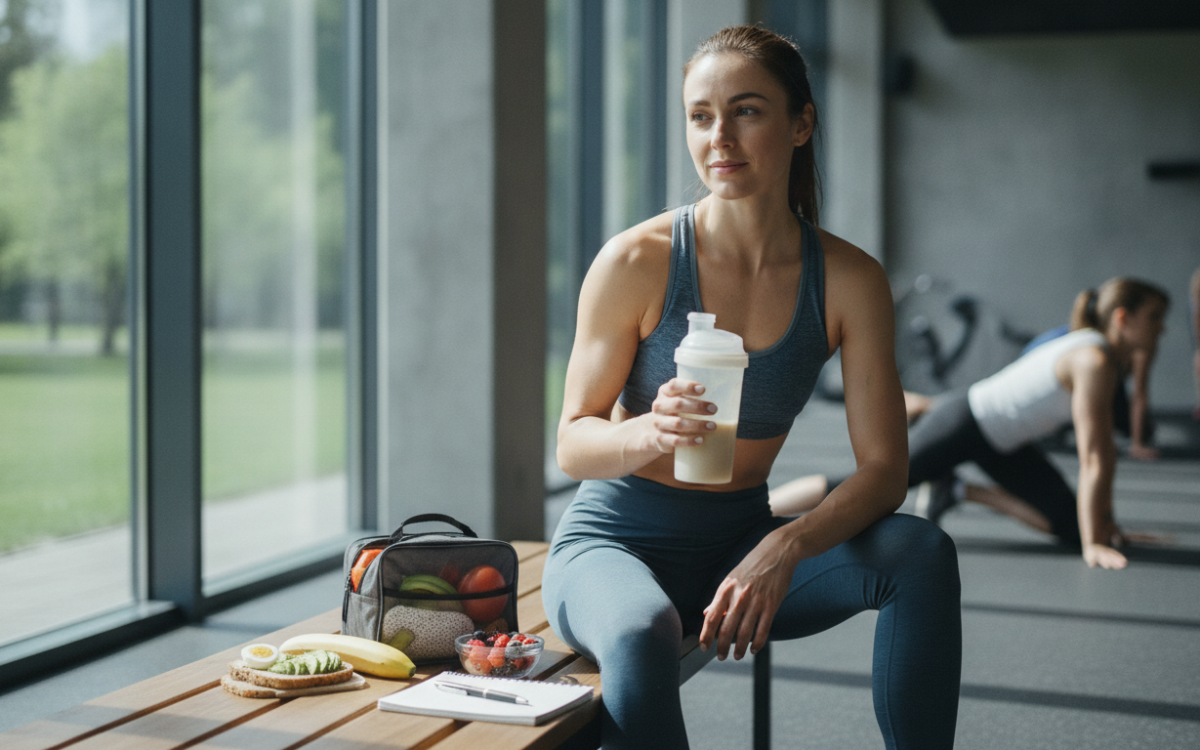
Quick answer: Sports nutrition is the way athletes use food and drink to boost energy and recovery. Good sports nutrition means eating enough carbs, protein, and fluids at the right times. It helps you train harder, feel stronger, and bounce back faster after workouts.
Key Takeaways
- Carbs are the main fuel for hard workouts and long events.
- Protein after exercise helps your muscles repair and grow.
- Drink water before, during, and after training to stay hydrated.
- Timing your meals matters as much as what you eat.
- Whole foods beat supplements for most everyday athletes.
What is sports nutrition?
Sports nutrition is the practice of eating and drinking to support your body during exercise. It covers what you eat, how much, and when. The goal is simple. You want more energy, better focus, and faster recovery.
Food is fuel. Your body burns it to move, lift, and run. When you eat the right things, you feel strong. When you skip meals or eat poorly, you run out of gas. That is why sports nutrition matters for both pros and weekend athletes.
Why does sports nutrition matter for performance?
Sports nutrition matters because your body cannot perform well on empty. Food gives you the energy to push through a workout. It also gives you the building blocks to repair after.
Think of your body like a car. Without fuel, it stalls. With the right fuel, it runs smooth. Good sports nutrition helps you train longer and recover quicker. It can also lower your risk of injury and burnout.
Also, eating well keeps your mind sharp. Low blood sugar can make you tired and cranky. A steady fuel supply keeps your head in the game.
What should you eat before a workout?
Eat carbs and a little protein before you train. Carbs are your body’s fast fuel. A small meal one to three hours before exercise works best for most people.
Good pre workout choices include:
- A banana with peanut butter
- Oatmeal with fruit
- Toast with eggs
- Yogurt with berries
- A small rice bowl with chicken
Keep it light if you eat close to your session. Heavy, fatty meals can upset your stomach. For a quick boost right before, try a piece of fruit or a handful of crackers.
How does sports nutrition work during exercise?
During exercise, sports nutrition helps you keep your energy up and stay hydrated. For short workouts under an hour, water is usually enough. For longer or harder efforts, you may need more.
When you sweat, you lose water and salt. So drink regularly, not just when you feel thirsty. For events over 60 to 90 minutes, add some carbs. A sports drink, gel, or dried fruit can help. This keeps your blood sugar steady so you do not hit a wall.
However, you do not need special products for a casual gym session. Save the gels and drinks for long runs, rides, or games.
What about recovery after training?
Eat protein and carbs soon after you finish. This is when your muscles are ready to repair and refuel. A good window is within an hour or two after your workout.
Protein helps rebuild muscle. Carbs restock your energy stores. A simple recovery snack could be chocolate milk, a protein shake with fruit, or chicken with rice. Pair it with water to replace lost fluids.
Also, do not forget sleep and rest. Food helps, but your body heals most when you rest. For more trusted health guidance, visit the NIH.
Hydration and sports nutrition
Water is a huge part of sports nutrition. Even mild dehydration can slow you down. It can cause cramps, fatigue, and poor focus.
Drink water through the day, not just at the gym. Before a workout, have a glass or two. During, sip often. After, drink to replace what you lost. A simple check is your urine color. Pale yellow means you are doing well. Dark yellow means drink more.
For long or sweaty sessions, you may need drinks with electrolytes. These replace the salt you lose in sweat.
Do you need supplements?
Most everyday athletes do not need supplements. Whole foods cover your needs for sports nutrition. Real meals give you vitamins, minerals, and fiber that pills cannot match.
Some people use protein powder for convenience. That is fine. But it should not replace balanced meals. Be careful with products that promise big results fast. Many are not well tested. When in doubt, choose food first.
Simple sports nutrition tips to start
Start small and stay steady. You do not need a perfect plan. A few good habits make a big difference.
Try these basics. Eat a balanced meal with carbs and protein. Drink water all day. Fuel before hard workouts. Refuel after. Listen to your body. Over time, these simple steps add up to better energy and stronger performance.
Good sports nutrition is not about being strict. It is about giving your body what it needs to do its best. Keep it simple and keep it consistent.
Ready to feel stronger in your next workout? Start with one small change this week. And always talk to your doctor or a dietitian before making big changes to your diet or training.
Frequently Asked Questions
How many carbs do I need for sports nutrition?
It depends on your activity level. Active people need more carbs than those who sit most of the day. For hard training, carbs should be a big part of your meals. Focus on whole grains, fruit, and starchy vegetables. A dietitian can help you find the right amount for your goals.
Is it bad to work out on an empty stomach?
For light or short workouts, it is usually fine. But for hard or long sessions, eating first gives you more energy. Without fuel, you may feel weak or dizzy. If you train early, try a small snack like a banana or toast before you go.
What is the best post workout meal?
A meal with protein and carbs works best. Protein repairs muscle and carbs refill energy. Good options include chicken with rice, a protein shake with fruit, or chocolate milk. Eat within an hour or two after your workout. Pair it with water to rehydrate and help recovery.
Do I need sports drinks for every workout?
No. For most workouts under an hour, plain water is enough. Sports drinks help during long or intense sessions when you sweat a lot. They replace carbs and salt. For casual gym days, save your money and just drink water instead.
Can sports nutrition help me lose weight?
Yes, when done right. Good sports nutrition fuels your workouts so you can train well and stay active. It also helps control hunger with balanced meals. But weight loss depends on overall calories too. Talk to a dietitian to build a plan that fits your body and goals.
For more, see our Nutrition & Diet articles.
This article is for general information only. It is not medical advice. Talk to your doctor before you make changes to your health routine.