Sleep Hygiene Tips for Better Rest and Health
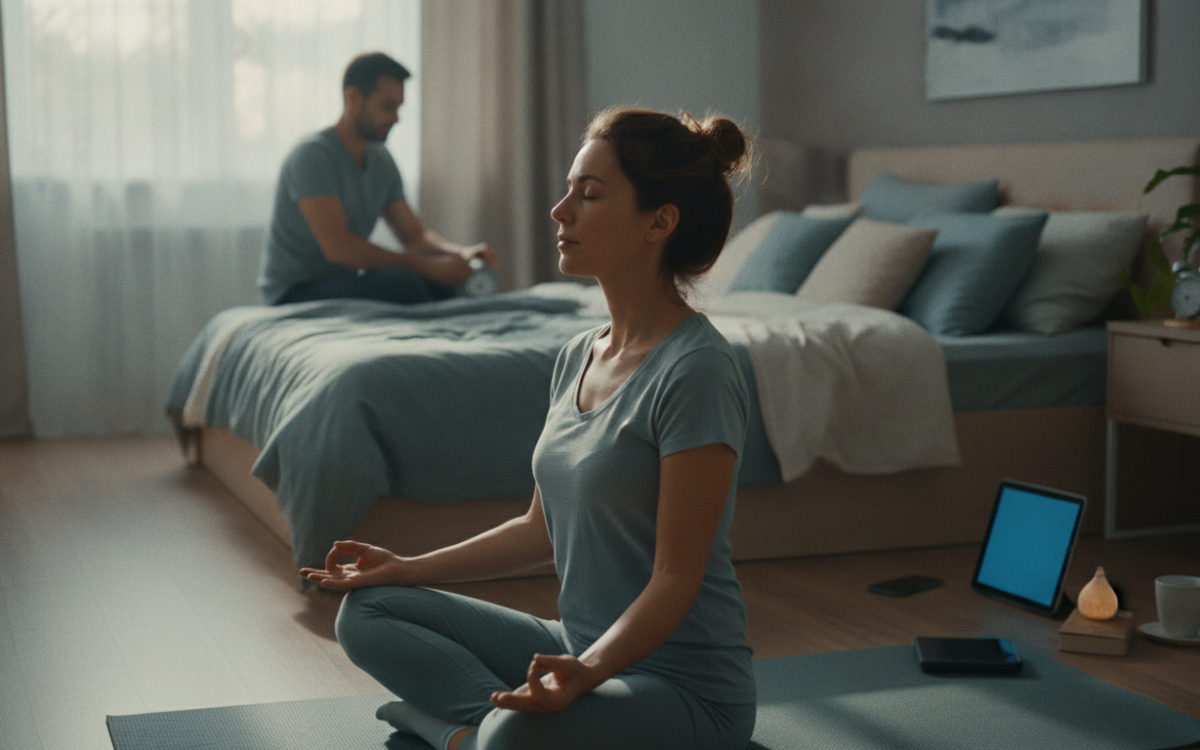
Quick answer: Sleep hygiene tips are daily habits that help you fall asleep faster and stay asleep. They work with your body clock, or circadian rhythm. Good examples include a set bedtime, less light at night, and no caffeine late in the day.
Key Takeaways
- Sleep hygiene tips are daily habits that support healthy, deep sleep.
- Your body clock, or circadian rhythm, controls when you feel sleepy.
- Light and dark are the strongest signals for your sleep timing.
- A steady sleep schedule matters more than sleeping in on weekends.
What are sleep hygiene tips?
Sleep hygiene tips are simple habits that help you sleep well. They set the stage for rest. Think of them as small daily choices. Each one tells your body it is time to wind down.
Good sleep is not just about the hours. It is about quality too. When you follow steady sleep hygiene tips, you fall asleep faster. You also wake up feeling more clear.
These habits work with your body, not against it. Your body has a built in clock. When you respect it, sleep comes easier.
How does your body clock work?
Your body clock is a natural timer inside you. Scientists call it the circadian rhythm. It runs on a cycle close to 24 hours. This is the heart of chronobiology, the study of your body’s timing.
Light is the main signal. When morning light hits your eyes, your body wakes up. When it gets dark, your body makes melatonin. That is the hormone that makes you sleepy.
Because of this, timing matters a lot. Late night screens can trick your brain. It thinks the sun is still up. So it stays alert. That is why many sleep hygiene tips focus on light.
Why do sleep hygiene tips matter?
Sleep hygiene tips matter because poor sleep hurts your whole body. It affects your mood, focus, and health. Over time, bad sleep raises real risks.
Sleep helps your brain clean itself. It helps your body heal. It even supports a strong immune system. When sleep breaks down, so does a lot else.
Here are common problems from poor sleep:
- Trouble thinking and remembering things
- Low mood and more stress
- Weaker immune response
- Higher risk of heart problems over time
- More cravings for sugar and junk food
For more on why rest is key, see the CDC. Good sleep is a base for good health.
Simple sleep hygiene tips to start tonight
You can start with small steps. You do not need to change everything at once. Pick one or two habits first. Then build from there.
Try these sleep hygiene tips:
- Go to bed and wake up at the same time each day.
- Get bright light in the morning, ideally outside.
- Dim the lights an hour before bed.
- Keep screens out of bed, or use night mode.
- Skip caffeine after early afternoon.
- Keep your room cool, dark, and quiet.
- Avoid big meals right before sleep.
Also, keep naps short. A long nap late in the day can push back your bedtime. A 20 minute nap is usually fine.
How does a steady schedule help?
A steady schedule trains your body clock to expect sleep. This is one of the most powerful sleep hygiene tips. Your body loves routine.
When you sleep at the same time each night, your body prepares in advance. Melatonin rises on cue. You feel sleepy right when you need to.
However, sleeping in late on weekends can undo this. It shifts your clock, like a small jet lag. Then Monday feels rough. Try to keep your wake time close, even on days off.
What about light and darkness?
Light and dark are the strongest tools you have. This is core chronobiology. Use light to your favor.
In the morning, seek bright light fast. It shuts off melatonin and wakes you up. A short walk outside works great. Even on a cloudy day, outdoor light is strong.
At night, do the opposite. Lower the lights. Put down your phone. Because darkness tells your body that sleep is near. These small moves make many other sleep hygiene tips work better.
Building your own bedtime routine
A calm routine sends a clear signal to your brain. It is one of the easiest sleep hygiene tips to enjoy. Do the same steps in the same order each night.
For example, you might read a few pages. Then brush your teeth. Then turn off the lights. Over time, your body links these steps to sleep.
Keep it short and simple. Also keep it screen free if you can. The goal is to relax, not to solve problems in your head.
Start with one habit tonight and give it a few weeks. If sleep problems last or feel serious, talk to a doctor.
Frequently Asked Questions
How long does it take for sleep hygiene tips to work?
Most people notice small changes within a week or two. But your body clock needs steady effort to fully adjust. Keep your habits the same each day, including weekends. If you slip, just start again the next night. Patience helps your body settle into a better rhythm.
Does caffeine really affect my sleep that much?
Yes, caffeine can stay in your body for many hours. Even an afternoon coffee may keep you awake at night. It blocks the signals that make you feel tired. Try cutting off caffeine by early afternoon. This is one of the easiest sleep hygiene tips to test yourself.
Is it bad to look at my phone in bed?
Phone light and content can both hurt sleep. The bright screen can delay melatonin, your sleep hormone. Scrolling also keeps your brain alert. Try to stop screens about an hour before bed. If you must use your phone, turn on night mode and lower the brightness.
What is the best room temperature for sleep?
A cool room helps most people sleep better. Your body drops its temperature as you fall asleep. A warm room can fight that natural process. Many people rest well in a slightly cool, dark, and quiet space. Adjust bedding until you feel comfortable and not too hot.
Can naps ruin my night sleep?
Naps can help or hurt, depending on timing. A short 20 minute nap early in the day is usually fine. But long or late naps can push back your bedtime. If you struggle to fall asleep at night, try skipping naps for a while and see if it helps.
For more, see our Health & Wellness articles.
This article is for general information only. It is not medical advice. Talk to your doctor before you make changes to your health routine.