Satiety and Weight Management Made Simple
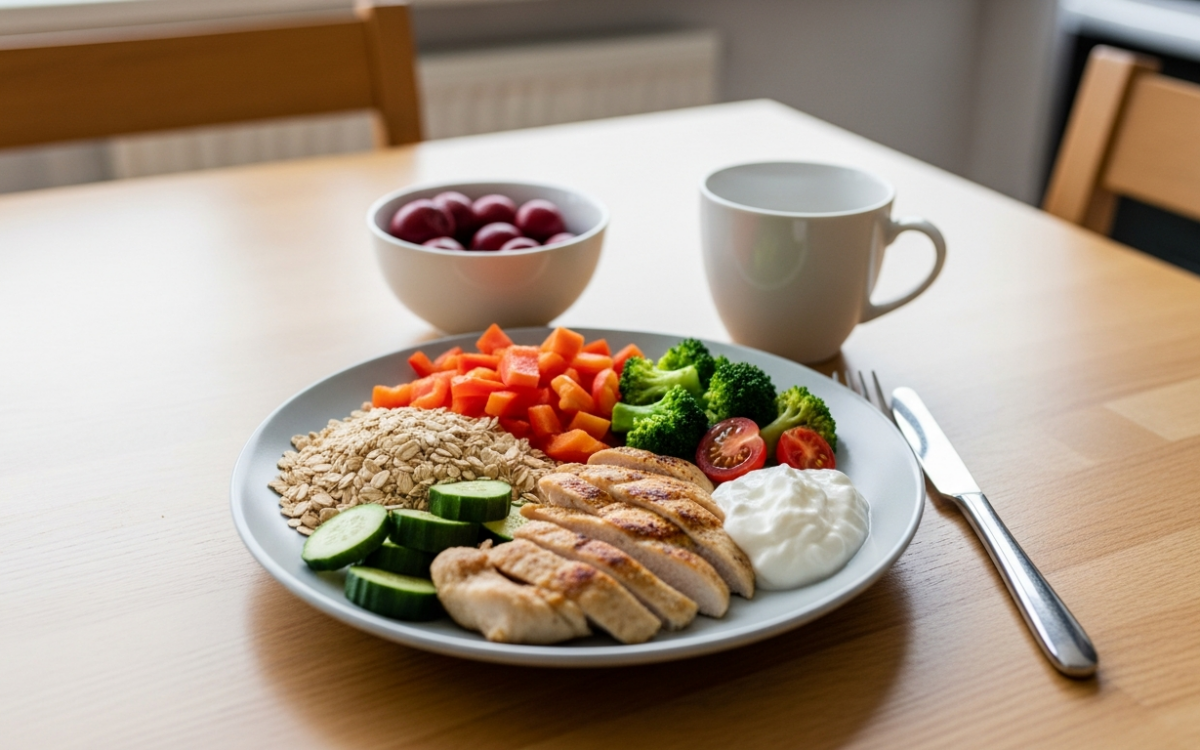
Quick answer: Satiety and weight management go hand in hand. Satiety is the feeling of fullness after eating. When you feel full longer, you eat less overall. Choosing high protein, high fiber foods helps control hunger and supports a healthy weight over time.
Key Takeaways
- Satiety means feeling full and satisfied after a meal.
- Protein and fiber are the strongest foods for lasting fullness.
- Slower eating gives your body time to signal you are full.
- Sleep and stress both affect hunger hormones and appetite.
What is satiety and weight management?
Satiety is the feeling of fullness after you eat. It tells your brain to stop. Satiety and weight management are closely linked. Because when you feel full, you eat less. And eating less helps you keep a healthy weight.
Your body uses hormones to control hunger. Some tell you to eat. Others tell you to stop. When these signals work well, eating feels easier. You do not fight cravings all day.
How does satiety and weight management work in the body?
Your gut and brain talk to each other. When food fills your stomach, it sends signals up. Hormones like leptin and GLP-1 rise. They tell your brain you have had enough. This is the core of satiety and weight management.
Different foods send stronger signals. For example, protein triggers more fullness hormones than sugar. Fiber slows digestion. So you stay full longer. However, sugary drinks pass through fast. They leave you hungry again soon.
Slower eating also matters. Your brain takes about twenty minutes to catch up. If you eat fast, you may overeat before the signal arrives.
Why does satiety and weight management matter?
It matters because hunger is powerful. Willpower alone rarely wins. When you build meals that fill you up, eating less feels natural. That is why satiety and weight management work better than strict calorie counting for many people.
Also, being full keeps your energy steady. You avoid the crash and craving cycle. That helps your mood and focus too.
Which foods boost fullness?
Some foods keep you full much longer than others. Here are strong choices for satiety and weight management:
- Eggs, chicken, fish, and beans for protein.
- Oats, lentils, and whole grains for fiber.
- Apples, berries, and leafy greens for volume.
- Greek yogurt and cottage cheese for a filling snack.
- Nuts and seeds in small amounts for staying power.
These foods have more bulk and fewer empty calories. So you feel satisfied on less. For more on healthy eating patterns, see the NIH.
Simple habits that help
Food is not the only factor. Daily habits shape your hunger too. Small changes add up over weeks.
First, drink water before meals. Thirst can feel like hunger. Second, slow down. Put your fork down between bites. Third, get enough sleep. Poor sleep raises hunger hormones the next day.
Stress plays a role as well. High stress can push you toward comfort food. Because your body wants quick energy. So calming habits like walking or deep breathing can help your satiety and weight management too.
Common mistakes to avoid
Many people fight hunger the hard way. They cut calories too fast. Then they feel starved and give up. That is a setup for failure.
Another mistake is skipping protein. A meal of just bread or crackers fades fast. You feel hungry within an hour. Also, drinking your calories fills you less than eating them. So a juice will not satisfy like whole fruit.
Focus on adding filling foods instead of only removing food. This shift makes satiety and weight management feel less like a diet and more like a lifestyle.
How long does it take to see results?
Most people notice steadier hunger within a week or two. Weight changes take longer. Slow and steady works best. Because habits that stick beat quick fixes that fade.
Be patient with yourself. Some days will be harder than others. That is normal. Keep choosing filling meals most of the time. Over months, those choices shape your health.
Ready to start? Pick one filling food to add to your next meal. Then build from there. Small steps lead to lasting change. Always talk to your doctor before making big changes to your diet or health plan.
Frequently Asked Questions
What is the difference between satiety and satiation?
Satiation is the feeling that ends a meal. It tells you to stop eating now. Satiety is the fullness that lasts afterward. It controls how long until you feel hungry again. Both matter for satiety and weight management and for eating less overall.
Does protein really keep you fuller than carbs?
Yes. Protein triggers more fullness hormones than most carbs. It also digests slowly. So a high protein meal keeps you satisfied longer. This is why protein is a key part of satiety and weight management plans that help reduce snacking and overeating.
Can drinking water help me feel full?
Water can help a little. Drinking a glass before meals may reduce how much you eat. Thirst can also feel like hunger. However, water alone will not keep you full for long. Pair it with protein and fiber for real lasting fullness.
Why do I feel hungry soon after eating sweets?
Sugary foods digest fast. They spike your blood sugar, then it drops quickly. That drop can bring back hunger and cravings. Sweets also lack protein and fiber. So they do little for lasting fullness or for good weight management over time.
Does sleep affect hunger and weight?
Yes. Poor sleep raises the hunger hormone ghrelin and lowers fullness signals. So you feel hungrier the next day. You may crave sugar and fatty foods more. Getting enough sleep supports satiety and weight management by keeping your appetite hormones balanced.
For more, see our Nutrition & Diet articles.
This article is for general information only. It is not medical advice. Talk to your doctor before you make changes to your health routine.