Mobility and Flexibility Stretching Made Simple
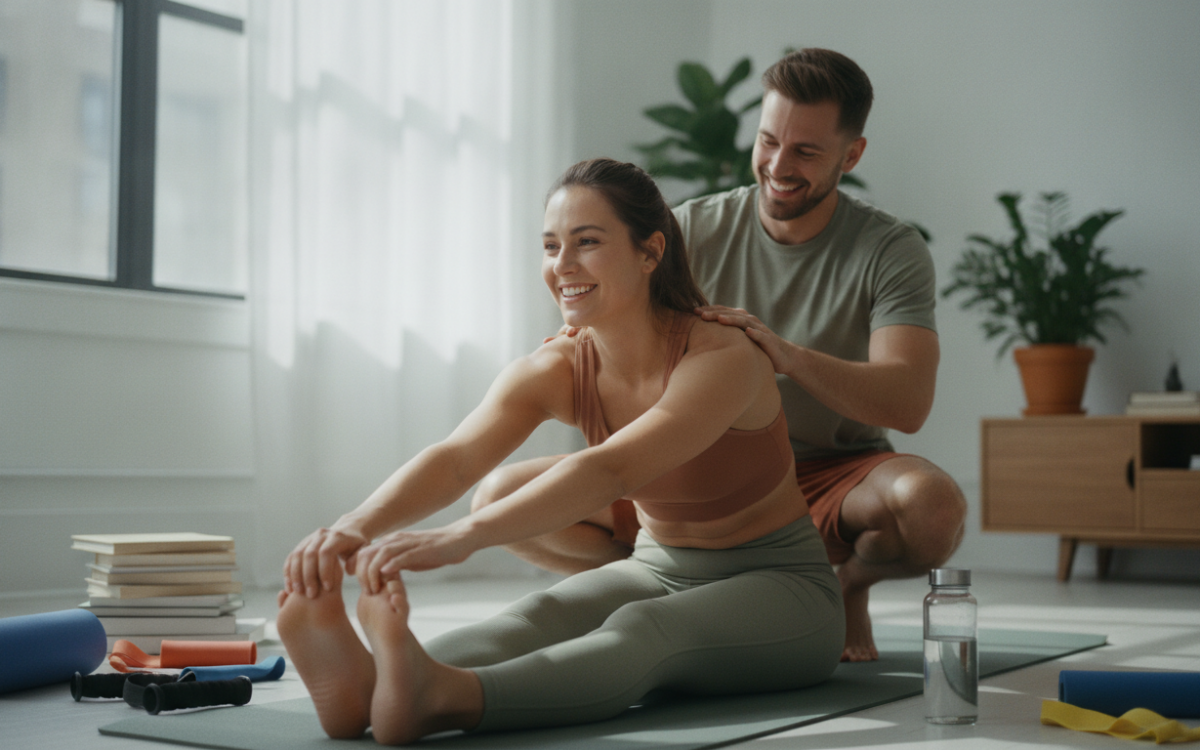
Quick answer: Mobility and flexibility work together to help you move well. Flexibility is how far a muscle can stretch. Mobility is how well a joint moves through its full range. Simple daily stretching improves both, easing stiffness and helping you feel loose and ready to move.
Key Takeaways
- Flexibility is muscle length, and mobility is joint movement.
- Mobility and flexibility both improve with regular gentle stretching.
- Warm up before you stretch to lower the risk of strain.
- A few minutes of stretching each day can ease stiffness over time.
Your body loves to move. But sometimes it feels tight and stiff. That is where mobility and flexibility come in. With a little daily work, you can move easier and feel better. Let us break it down in simple steps.
What is mobility and flexibility?
Mobility and flexibility are two parts of moving well. Flexibility is how far a muscle can stretch. Mobility is how well a joint moves through its full range. You need both to move freely.
Think of it this way. Flexibility lets your hamstring lengthen. Mobility lets your hip swing wide. When they work together, everyday moves feel smooth. For example, reaching a high shelf or tying your shoes.
Why does mobility and flexibility matter?
Good mobility and flexibility help you move without pain or strain. They keep your joints healthy. They also help you stay steady on your feet.
When you are stiff, small tasks feel hard. Bending down can hurt. Your back may ache after sitting too long. However, gentle stretching helps loosen those tight spots. Also, better range of motion lowers the chance of pulling a muscle.
As we age, we tend to lose some range of motion. Regular movement slows that down. The CDC suggests staying active most days for good health. Stretching is an easy part of that.
How does stretching improve mobility and flexibility?
Stretching gently pulls your muscles and moves your joints. Over time, this trains your body to reach farther with less effort.
There are two main types. Static stretching means you hold a stretch still. Dynamic stretching means you move through the motion. Both help build mobility and flexibility, but in different ways.
- Static stretches work best after a workout, when muscles are warm.
- Dynamic stretches work best before activity, to wake up your joints.
- Hold static stretches for about 20 to 30 seconds.
- Never bounce, because that can cause tiny tears.
Consistency matters more than intensity. A few minutes each day beats one long session once a week.
Simple stretches to try
You do not need fancy gear to boost mobility and flexibility. Just some open space and a few minutes. Here are easy moves to start with.
First, try a neck roll. Slowly drop your chin and circle your head. Next, do shoulder rolls to loosen tight upper back. Then, reach for your toes to stretch your hamstrings. Bend from the hips and keep your knees soft.
Also, try a gentle hip opener. Sit tall and cross one ankle over the other knee. Lean forward a little. You should feel a stretch in your hip, not sharp pain. Breathe slow and steady the whole time.
How often should you stretch?
Aim to stretch most days for the best results. Even five to ten minutes helps your mobility and flexibility.
Morning stretches wake up your body. Evening stretches calm tight muscles after a long day. Pick a time that fits your routine. Because habits stick better when they feel easy.
Listen to your body as you go. Mild tension is fine. Sharp pain is not. If something hurts, ease off right away.
Common mistakes to avoid
Even good stretching can go wrong. The most common mistake is stretching cold muscles. Always warm up first with light movement, like a short walk.
Another mistake is rushing. Slow and gentle wins here. Also, do not hold your breath. Steady breathing helps your muscles relax and stretch farther.
Finally, do not compare yourself to others. Everyone starts at a different point. Your mobility and flexibility will grow at your own pace. Small wins add up over weeks.
Building a simple routine
A good routine is one you can keep. Start small with two or three stretches. Then add more as you feel ready.
For example, stretch your legs, back, and shoulders each day. Keep the moves gentle. Over time, you will notice you can reach farther and bend easier. That is your mobility and flexibility improving.
Ready to feel looser and move better? Pick two stretches today and give them a try. Keep at it, and your body will thank you. Before you start any new routine, talk to your doctor, especially if you have an injury or health concern.
Frequently Asked Questions
What is the difference between mobility and flexibility?
Flexibility is how far a muscle can stretch. Mobility is how well a joint moves through its full range. They work together. You can be flexible but still lack mobility. Good movement needs both, and gentle daily stretching helps improve each one over time.
How long should I hold a stretch?
Hold most static stretches for about 20 to 30 seconds. This gives your muscle time to relax and lengthen. Do not bounce or force it. Repeat each stretch two or three times. Breathe slowly and steadily while you hold to help your body ease into the stretch.
Should I stretch before or after exercise?
Do dynamic stretches before exercise to warm up your joints and muscles. Save static stretches for after, when your muscles are warm. Stretching cold muscles raises the risk of strain. A short walk or light movement first helps prepare your body for deeper stretching.
Can stretching every day cause harm?
Daily gentle stretching is safe for most people and helps mobility and flexibility. Problems come from overstretching or bouncing. Stop if you feel sharp pain. Mild tension is normal. If you have an injury or health condition, check with your doctor before starting a new routine.
How soon will I see results from stretching?
Many people feel looser within a few weeks of regular stretching. Real gains in range of motion take a bit longer. Consistency matters most. A few minutes each day beats one long session weekly. Stick with it, and you will notice smoother, easier movement over time.
For more, see our Fitness articles.
This article is for general information only. It is not medical advice. Talk to your doctor before you make changes to your health routine.