Environmental Toxicology: How Toxins Affect You
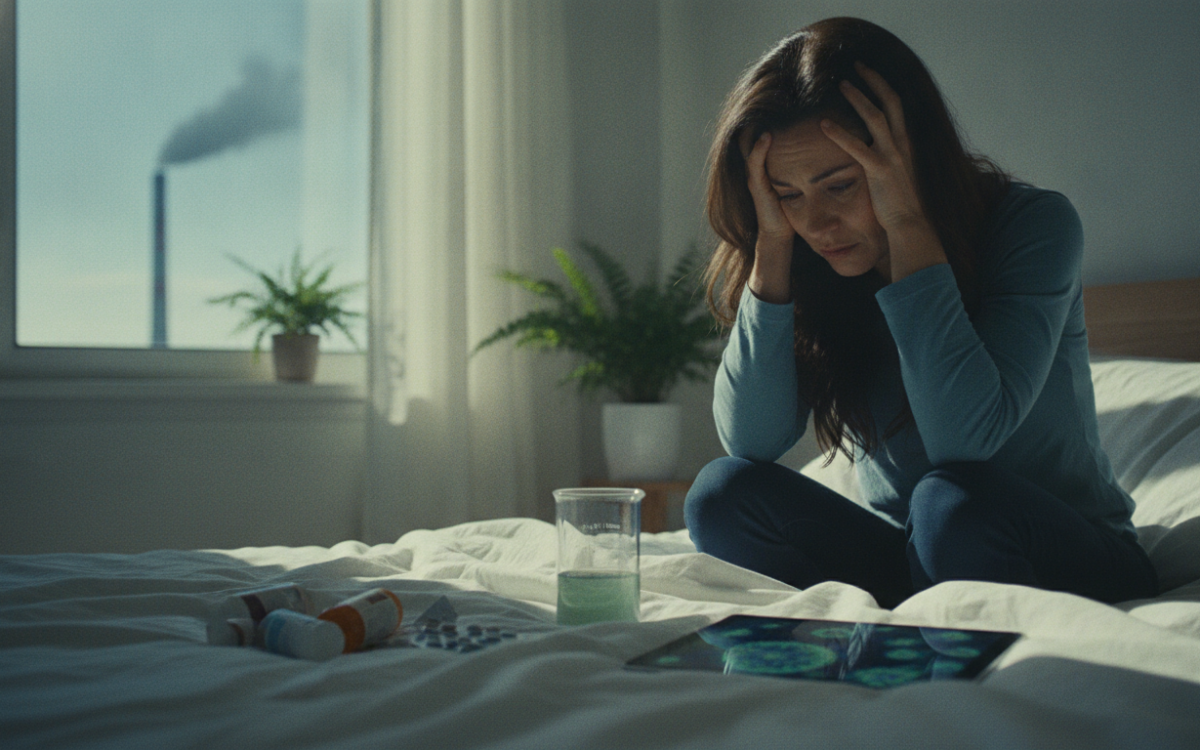
Quick answer: Environmental toxicology is the study of how harmful substances in air, water, soil, and food affect people, animals, and plants. It looks at how these toxins enter the body, how much causes harm, and how to lower exposure to protect health over time.
Key Takeaways
- Environmental toxicology studies how pollution and chemicals harm living things.
- The dose and length of exposure often decide how dangerous a toxin is.
- Air, water, food, and household products are common sources of exposure.
- Small daily habits can lower your risk from many everyday toxins.
What is environmental toxicology?
Environmental toxicology is the science of how harmful substances affect living things. It looks at toxins in air, water, soil, and food. It also studies how these substances move through the environment and reach your body.
People come into contact with many chemicals each day. Most are harmless in tiny amounts. However, some can build up or cause harm over time. Environmental toxicology helps us understand which ones matter and why.
This field connects health, chemistry, and biology. Scientists use it to set safety limits. They also use it to warn the public when a risk is too high.
How does environmental toxicology work?
Environmental toxicology works by tracking a toxin from its source to your body. It follows the path a chemical takes. Then it measures the harm it may cause.
There are a few key steps in this process. Each one helps build the full picture.
- Source: where the toxin comes from, like factories or pesticides.
- Pathway: how it travels through air, water, or soil.
- Exposure: how you breathe, eat, or touch it.
- Effect: what it does inside the body.
The dose matters a lot. A small amount may do nothing. A large amount, or a long exposure, can cause real harm. This idea is central to environmental toxicology.
Why does environmental toxicology matter?
Environmental toxicology matters because it protects public health. It helps keep our air cleaner and our water safer. It also guides rules for food and products we use every day.
Without this science, harmful chemicals could spread unnoticed. For example, lead in old paint once hurt many children. Studies helped remove it from homes and gas.
Also, this work protects wildlife. Fish, birds, and other animals feel the effects of pollution too. When we study them, we learn about risks to people. You can read more from the CDC about how the environment affects health.
Common sources of toxic exposure
Toxins can reach you from many places. Some are outdoors. Others hide in your own home.
Air pollution is a big one. Car exhaust and smoke carry fine particles. These can harm your lungs and heart over time.
Water can carry metals or germs. Old pipes may add lead. Farm runoff may add chemicals. That is why water testing is helpful.
Household items can matter too. Cleaning sprays, pesticides, and some plastics release chemicals. Environmental toxicology studies these everyday risks so you can make safer choices.
How can you lower your exposure?
You can lower your exposure with a few simple habits. You do not need to fear everything. Small steps add up.
First, keep your air fresh. Open windows when you clean. Avoid smoking indoors. Use fans to move air out.
Second, be smart about water. If your home is old, ask about lead testing. Use a filter if you have concerns.
Third, read labels. Choose gentle cleaning products. Store chemicals away from kids and pets. Wash fruits and vegetables well.
Also, wash your hands often. This removes dust and residue. These easy habits reflect the goals of environmental toxicology: less harm, better health.
Who studies environmental toxicology?
Scientists, doctors, and public health workers all use environmental toxicology. They test samples and study patterns. Then they share what they learn.
Governments use their findings to set limits. Companies use them to make safer products. Communities use them to push for cleaner air and water.
Because the field grows all the time, new risks get spotted faster. That means better protection for you and your family. Environmental toxicology keeps working quietly in the background of daily life.
Signs that toxins may be affecting health
Toxins can cause many symptoms, and they often look like other issues. That makes them hard to spot alone. Still, some clues stand out.
Headaches, tiredness, and skin problems can appear. Breathing trouble may also happen with poor air. Long term exposure may raise the risk of some diseases.
These signs do not always mean a toxin is the cause. However, if symptoms keep coming back, it helps to look at your surroundings. A checkup can rule out other causes.
Want a healthier space? Start with one change today, like fresh air or safer cleaners. Then build from there. Always talk to a doctor if you have symptoms or worries about your health.
Frequently Asked Questions
What does environmental toxicology mean in simple terms?
Environmental toxicology is the study of how harmful substances in the world around us affect health. It looks at toxins in air, water, soil, and food. It tracks how they reach the body and how much of them can cause harm to people and nature.
What are the most common environmental toxins?
Common toxins include air pollution, lead, pesticides, and some chemicals in plastics and cleaning products. Heavy metals in water can also be a concern. The risk depends on how much you are exposed to and for how long, which is a key part of environmental toxicology.
Can toxins in my home really affect my health?
Yes, some household items release chemicals over time. Cleaning sprays, pesticides, and certain plastics are examples. Poor air flow can make it worse. Good ventilation, safer products, and regular cleaning help lower your daily exposure and support better long term health.
How do I know if I have been exposed to a toxin?
Symptoms like headaches, tiredness, or breathing trouble can be clues, but they match many other conditions too. Testing your water or air can help. If symptoms keep returning, see a doctor. They can run tests and help find the real cause.
Is environmental toxicology only about big pollution events?
No, it covers both large events and small daily exposures. A factory spill and a leaky old pipe both count. The science studies how any harmful substance moves and affects living things, whether the exposure is sudden or slow over many years.
For more, see our Health & Wellness articles.
This article is for general information only. It is not medical advice. Talk to your doctor before you make changes to your health routine.