Environmental Toxicology and Your Health
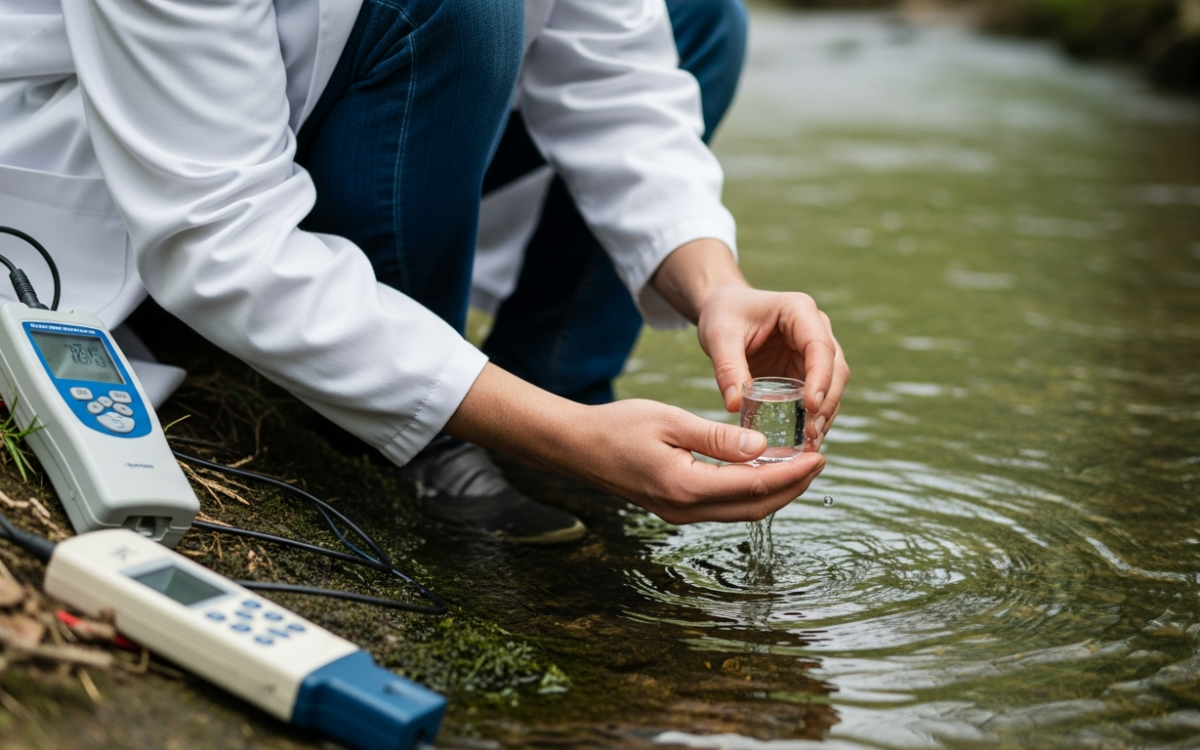
Quick answer: Environmental toxicology is the study of how chemicals and pollutants in air, water, soil, and food affect people and living things. It helps us understand how toxic exposure harms the body and how to lower risk in daily life.
Key Takeaways
- Environmental toxicology studies how pollutants harm health.
- The dose and length of exposure change how toxic something is.
- Air, water, food, and household products are common sources.
- Small daily habits can lower your toxic exposure.
What is environmental toxicology?
Environmental toxicology is the science of how harmful substances affect living things. It looks at chemicals in the air, water, soil, and food. It also studies how these substances move through the world and into our bodies.
Scientists in this field want to know one thing. How much of a substance causes harm? Because the answer helps set safe limits. It also guides rules that protect people and nature.
How does environmental toxicology work?
Environmental toxicology works by measuring exposure and effect. First, experts find where a chemical comes from. Then they track how it spreads. Finally, they study what it does inside the body.
One key idea is the dose. A small amount of something may be safe. A large amount may not be. Time matters too. A short contact is different from years of contact.
Here are the main things this field studies:
- The source of a toxin, like factories or car exhaust.
- How the toxin travels through air, water, or food.
- How much enters the body.
- What harm it may cause over time.
Common sources of toxic exposure
Toxins are all around us. However, most exposure is small and manageable. Knowing the sources helps you make better choices.
Air pollution is a big one. Car fumes and smoke carry tiny particles. These can reach deep into the lungs. Water can carry lead, arsenic, or leftover chemicals. Food may hold pesticide traces. Household items like cleaners and paints can release fumes too.
Environmental toxicology helps sort real risks from small ones. Because not every chemical is dangerous at low levels. The goal is smart caution, not fear.
Why does environmental toxicology matter for your health?
Environmental toxicology matters because it links what is around us to how we feel. Long term exposure to some toxins is tied to breathing problems, heart trouble, and other issues. Children and older adults may be more sensitive.
Also, this science shapes public safety. It informs limits on pollution and rules for clean water. You can learn more from trusted groups like the CDC, which shares guidance on many environmental health topics.
Understanding environmental toxicology gives you power. When you know the risks, you can act. Small steps add up over time.
How can you lower your exposure?
You can lower your exposure with simple daily habits. You do not need to change everything at once. Start small and build from there.
Try these ideas:
- Open windows to let fresh air move through your home.
- Wash fruits and vegetables well before eating.
- Use a water filter if your water quality is a concern.
- Choose cleaning products with fewer harsh chemicals.
- Store food in glass or safe containers.
Also, wash your hands often. This removes dust and residue that carry toxins. Because clean hands mean less enters your body.
Environmental toxicology reminds us that our surroundings shape our health. But we still have choices. Even small ones help.
What jobs use environmental toxicology?
Many careers use environmental toxicology every day. Some work in labs testing samples. Others check air and water quality in cities. Some help companies follow safety rules.
Public health workers rely on this science too. They warn communities about hazards. They also plan cleanups after spills. Because of their work, many risks stay low.
Researchers keep studying new chemicals as well. The list of products we use keeps growing. So the field must grow with it.
Simple ways to stay informed
Staying informed is one of the best tools you have. Check local air quality reports. Read labels on products you buy. Ask questions when something seems off.
You can also learn the basics of environmental toxicology on your own. A little knowledge goes far. It helps you spot real concerns and skip false alarms.
Remember, the goal is balance. You cannot avoid every toxin. But you can reduce the ones that matter most.
Want to protect your health starting today? Pick one habit from the list above and try it this week. Then add another next week. Small steps build lasting change. And always talk to a doctor before making big changes based on health concerns.
Frequently Asked Questions
What does environmental toxicology study?
Environmental toxicology studies how chemicals and pollutants in air, water, soil, and food affect people, animals, and plants. It measures how much of a substance causes harm and how long exposure lasts. This helps set safe limits and protect communities from dangerous levels of toxic exposure.
Are all environmental toxins dangerous?
No, not all environmental toxins are dangerous at low levels. The dose and length of exposure matter most. A small amount of a chemical may be harmless, while a large amount over time may cause harm. Environmental toxicology helps tell real risks from minor ones.
How do toxins get into the body?
Toxins enter the body through breathing, eating, drinking, and skin contact. Air pollution reaches the lungs. Water and food can carry chemical traces. Dust and residue stick to hands. Washing hands, filtering water, and cleaning food can lower how much enters your body.
Can I reduce my toxic exposure at home?
Yes, simple habits help lower toxic exposure at home. Open windows for fresh air. Use gentler cleaning products. Filter your water if needed. Wash produce well and store food in safe containers. These small steps reduce contact with common household and food related toxins.
Who is most at risk from environmental toxins?
Children, older adults, pregnant people, and those with existing health issues are often more sensitive to environmental toxins. Their bodies may react more strongly to exposure. This is why environmental toxicology focuses on protecting vulnerable groups when setting safety limits and public health rules.
For more, see our Health & Wellness articles.
This article is for general information only. It is not medical advice. Talk to your doctor before you make changes to your health routine.