Strength Training and Hypertrophy: A Simple Guide
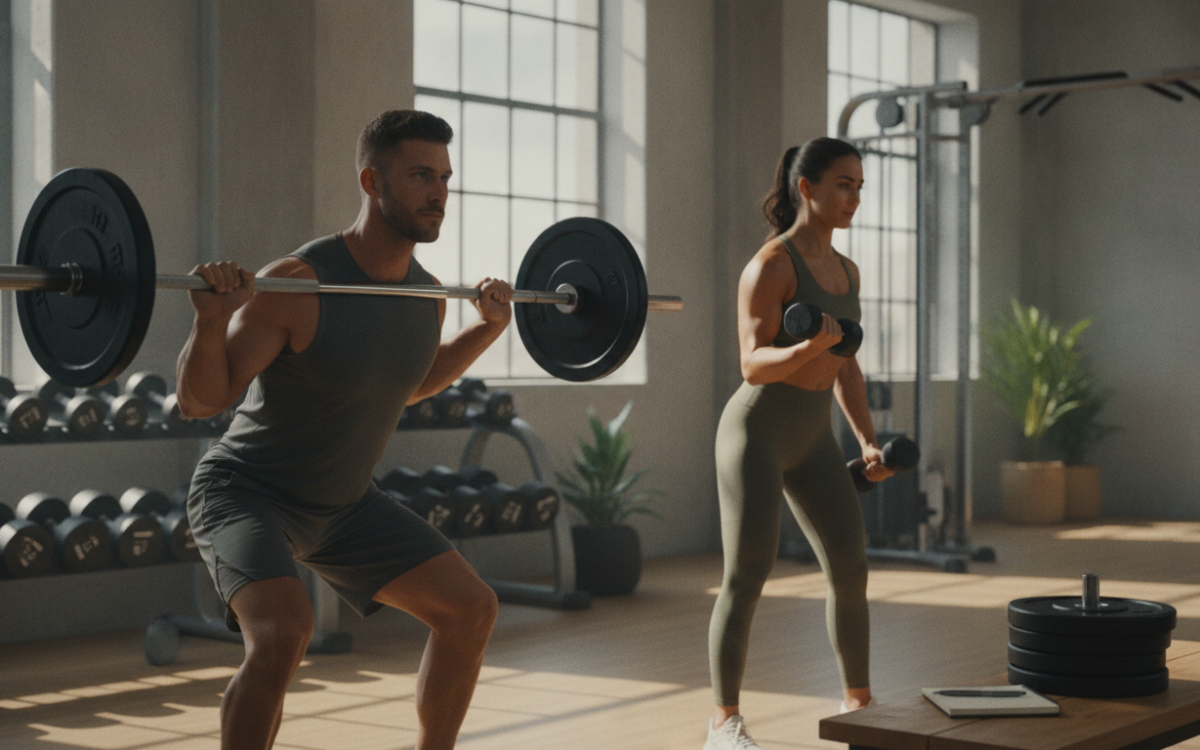
Quick answer: Strength training and hypertrophy are two goals of lifting weights. Strength focuses on lifting heavier loads. Hypertrophy focuses on growing bigger muscles. Both use resistance, but they differ in reps, rest, and load. You can train for one or blend both together.
Key Takeaways
- Strength training builds force. Hypertrophy builds muscle size.
- Strength uses heavy loads and low reps. Hypertrophy uses moderate loads and more reps.
- Progressive overload drives both. You must add weight or reps over time.
- Rest and protein help muscles repair and grow.
- Beginners can gain strength and size at the same time.
What is strength training and hypertrophy?
Strength training and hypertrophy are two ways to use resistance exercise. Strength training builds force. Hypertrophy builds muscle size. Both use weights, bands, or your own body. But they follow different plans.
Strength work uses heavy loads. You do fewer reps and rest longer. Hypertrophy work uses moderate loads. You do more reps and rest less. The goal shapes how you train.
Also, the two overlap. Bigger muscles can lift more. Stronger muscles can grow. So many people blend both.
How does strength training and hypertrophy work?
Strength training and hypertrophy work by stressing your muscles. When you lift, you cause tiny tears in muscle fibers. Your body repairs them. Over time, muscles grow bigger and stronger.
This process needs a push. That push is called progressive overload. It means you slowly add more weight, reps, or sets. Because your body adapts, you must keep raising the challenge.
Here is a simple breakdown:
- Strength: 1 to 6 reps, heavy weight, long rest.
- Hypertrophy: 6 to 12 reps, moderate weight, shorter rest.
- Both: proper form, steady effort, and rest days.
Also, sleep and food matter. Muscles do not grow while you lift. They grow while you rest.
Why does strength training and hypertrophy matter?
Strength training and hypertrophy matter for your whole body. Muscle helps you move, lift, and stay steady. It also protects your joints and bones.
As people age, they lose muscle. Regular lifting slows that loss. Strong muscles also help control blood sugar and support a healthy weight. According to the CDC, adults should do muscle building activity at least twice a week.
However, the benefits go beyond looks. More muscle can mean better balance and fewer falls. It can also boost your mood and energy.
How to start strength training and hypertrophy
You do not need a fancy gym. You can start with bodyweight moves. Think squats, pushups, and lunges. Then add dumbbells or bands.
Pick a few big moves. Squats, presses, rows, and hinges work many muscles at once. Do each move with good form first. Speed and weight come later.
Train two or three days a week. Rest one day between sessions for the same muscles. Because recovery is when growth happens, do not skip it.
A simple weekly plan
Try this easy setup. Day one, focus on your lower body. Day two, focus on your upper body. Add a third day if you feel ready.
Aim for 2 to 4 sets per move. Choose your rep range based on your goal. Fewer reps build strength. More reps build size. Both plans still work if you push hard.
Common mistakes to avoid
Many people rush strength training and hypertrophy. They lift too heavy too soon. This leads to poor form and injury. Start light and build slowly.
Also, some skip rest days. But muscles need time to repair. Others forget protein. Your body needs it to rebuild fibers.
Here are quick fixes:
- Warm up before every session.
- Add weight only when form stays clean.
- Eat enough protein each day.
- Sleep seven to nine hours.
Because progress feels slow at times, track your lifts. Small gains add up over weeks.
How long until you see results?
Most people notice changes in strength training and hypertrophy within a few weeks. Strength often improves first. Your brain learns to fire muscles better. Then visible size follows.
Real muscle growth takes months of steady work. Beginners tend to grow fastest. This is sometimes called newbie gains. Over time, progress slows, and that is normal.
Stay patient. Keep good habits. The results will come with steady effort.
Can you train for both at once?
Yes. You can train for strength training and hypertrophy in the same plan. Beginners often gain both together. You just mix rep ranges through the week.
For example, do heavy sets on one day. Then do moderate, higher rep sets on another. This gives your muscles a mix of stress. Over time, you build force and size.
However, advanced lifters may focus on one goal at a time. That helps them push each area harder.
Ready to begin? Pick two days this week and start with simple moves. Keep it steady, and let your body adapt. Talk to your doctor before you start any new exercise plan, especially if you have health concerns.
Frequently Asked Questions
What is the main difference between strength and hypertrophy?
Strength training builds how much force your muscles make. Hypertrophy builds how big your muscles get. Strength uses heavy weight and low reps. Hypertrophy uses moderate weight and more reps. Both use resistance, but the rep ranges and rest times differ based on your goal.
How many days a week should I lift?
Most people do well with two or three lifting days a week. This gives muscles time to rest and grow between sessions. Beginners can start with two full body days. As you get stronger, you can add more days and split muscle groups apart.
Do I need heavy weights to build muscle?
No. You can build muscle with moderate weights and higher reps. What matters most is effort and progressive overload. That means pushing your muscles close to fatigue and slowly adding challenge over time. Even bodyweight moves can grow muscle when done with enough intensity.
How much protein do I need to grow muscle?
Protein helps repair and build muscle after training. Many active adults aim for a steady amount spread across meals. Good sources include eggs, chicken, fish, beans, and dairy. Talk to a doctor or dietitian for advice that fits your body, health, and activity level.
Can beginners gain strength and size together?
Yes. Beginners often build both strength and size at the same time. Their bodies respond fast to new training. Mixing rep ranges through the week works well. As you advance, you may focus more on one goal to keep making steady progress.
For more, see our Fitness articles.
This article is for general information only. It is not medical advice. Talk to your doctor before you make changes to your health routine.