Injury Prevention Tips for Safer Movement
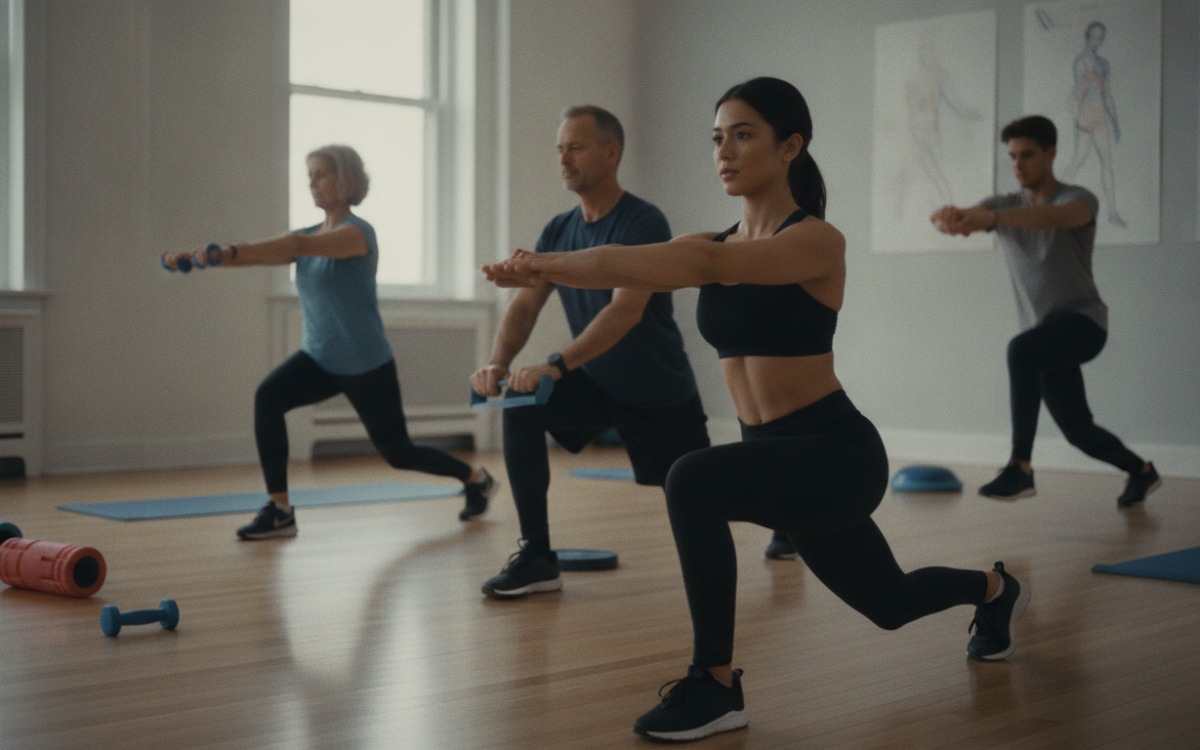
Quick answer: Injury prevention means moving your body in smart ways to avoid harm. It uses good biomechanics, like proper form, warm ups, and balanced strength. These habits protect your joints and muscles during workouts and daily life, so you can stay active and pain free longer.
Key Takeaways
- Good biomechanics keeps your joints and muscles in safe positions during movement.
- Warming up before exercise lowers your risk of strains and pulls.
- Building balanced strength on both sides of the body helps prevent injury.
- Rest and recovery are just as important as training hard.
What is injury prevention?
Injury prevention is the practice of moving your body in ways that keep it safe. It means using smart habits so you do not get hurt during exercise or daily tasks. Good form is a big part of it. So is knowing your limits.
Your body works like a machine. Bones, muscles, and joints move together. This is called biomechanics. When these parts move the right way, stress spreads out evenly. When they do not, one spot takes too much load. That is when injuries happen.
How does biomechanics affect injury prevention?
Biomechanics affects injury prevention by shaping how force moves through your body. Good movement patterns keep your joints lined up. This means less strain on any single part.
Think about lifting a heavy box. If you bend your knees and keep your back straight, your legs do the work. But if you round your back, your spine takes the load. That can hurt you. Small changes in form make a big difference.
Also, your body likes balance. If one muscle is much stronger than its partner, it can pull joints out of line. For example, tight hips and weak glutes often lead to knee pain. Training both sides helps.
Why does injury prevention matter?
Injury prevention matters because it keeps you moving for years. An injury can stop your progress fast. It may take weeks or months to heal. During that time, you lose strength and fitness.
Also, some injuries never fully go away. A bad ankle sprain can turn into a weak joint that rolls again and again. It is much easier to protect your body up front than to fix damage later.
The CDC shares good info on staying active in safe ways. Moving well is one of the best things you can do for your health.
Simple habits for injury prevention
You can protect your body with a few easy steps. These habits work for beginners and pros alike.
- Warm up first. Spend five to ten minutes getting blood to your muscles.
- Use proper form. Master the basic motion before adding weight.
- Build up slowly. Add a little more each week, not a lot all at once.
- Balance your training. Work opposite muscle groups equally.
- Rest well. Give sore muscles time to repair.
- Listen to pain. Sharp pain is a warning, not a challenge.
Because these steps are simple, they are easy to skip. However, they add up over time. Consistency is what keeps you safe.
How can you warm up for better injury prevention?
A good warm up raises your heart rate and loosens your joints. Start with light movement, like walking or easy cycling. Then do dynamic stretches that match your workout.
For example, before running, try leg swings and hip circles. Before lifting, do bodyweight squats and arm circles. This gets your muscles ready to work. Cold, tight muscles pull and tear more easily.
Skip long static stretches before hard exercise. Save those for after. They feel good but do not prep you well for effort. Dynamic moves are better for injury prevention at the start of a session.
Common movement mistakes to avoid
Many injuries come from the same small errors. Knowing them helps you stay safe.
First, doing too much too soon. Your body needs time to adapt. Also, ignoring rest days. Muscles grow and heal when you recover, not when you train.
Another common mistake is bad posture. Slouching under load puts stress on the wrong places. Keep your core tight and your spine neutral. This spreads force the right way.
Finally, poor footwear can throw off your whole chain. Shoes that fit and support you help your feet, knees, and hips work together.
Building strength for injury prevention
Strong muscles support your joints. This is a key part of injury prevention. When muscles are strong, they absorb shock and control motion.
Focus on your core, hips, and legs. These form your base. A steady core keeps your spine safe. Strong hips protect your knees. Good ankle strength keeps you balanced.
Also work on balance and control, not just power. Slow, steady reps teach your body good patterns. Over time, safe movement becomes a habit. Then you move well without even thinking about it.
Start where you are. Even light work helps if you stay consistent. Injury prevention is a long game, and small efforts pay off.
Ready to move smarter? Pick one habit from this list and use it in your next workout. Build from there. Talk to a doctor or a trained professional before you start a new exercise plan, especially if you have past injuries or health concerns.
Frequently Asked Questions
What are the best exercises for injury prevention?
Core work, hip strength moves, and balance drills are among the best for injury prevention. Planks, glute bridges, and single leg stands build stability. These help your joints stay in line during movement. Strong, balanced muscles absorb stress and lower your risk of strains and sprains.
How long should a warm up be?
A warm up should last about five to ten minutes. Start with light cardio to raise your heart rate. Then add dynamic stretches that match your activity. This gets blood flowing and loosens your joints. A proper warm up is a simple, key step in injury prevention.
Can stretching prevent injuries?
Stretching can help, but timing matters. Dynamic stretches before exercise prep your muscles for work. Static stretches are better after, when muscles are warm. Stretching alone does not prevent all injuries. Combine it with good form, strength, and rest for the best protection.
Why do I keep getting the same injury?
Repeat injuries often come from muscle imbalances or poor form. A weak or tight area keeps taking too much stress. Also, returning to activity too soon before full healing can cause reinjury. Fixing the root cause and building balanced strength helps break the cycle.
Is rest important for injury prevention?
Yes, rest is a major part of injury prevention. Your muscles repair and grow stronger during recovery, not during training. Skipping rest days leads to overuse injuries and fatigue. Aim for good sleep and give sore areas time to heal before pushing hard again.
For more, see our Fitness articles.
This article is for general information only. It is not medical advice. Talk to your doctor before you make changes to your health routine.