Sports Nutrition Basics for Better Fueling
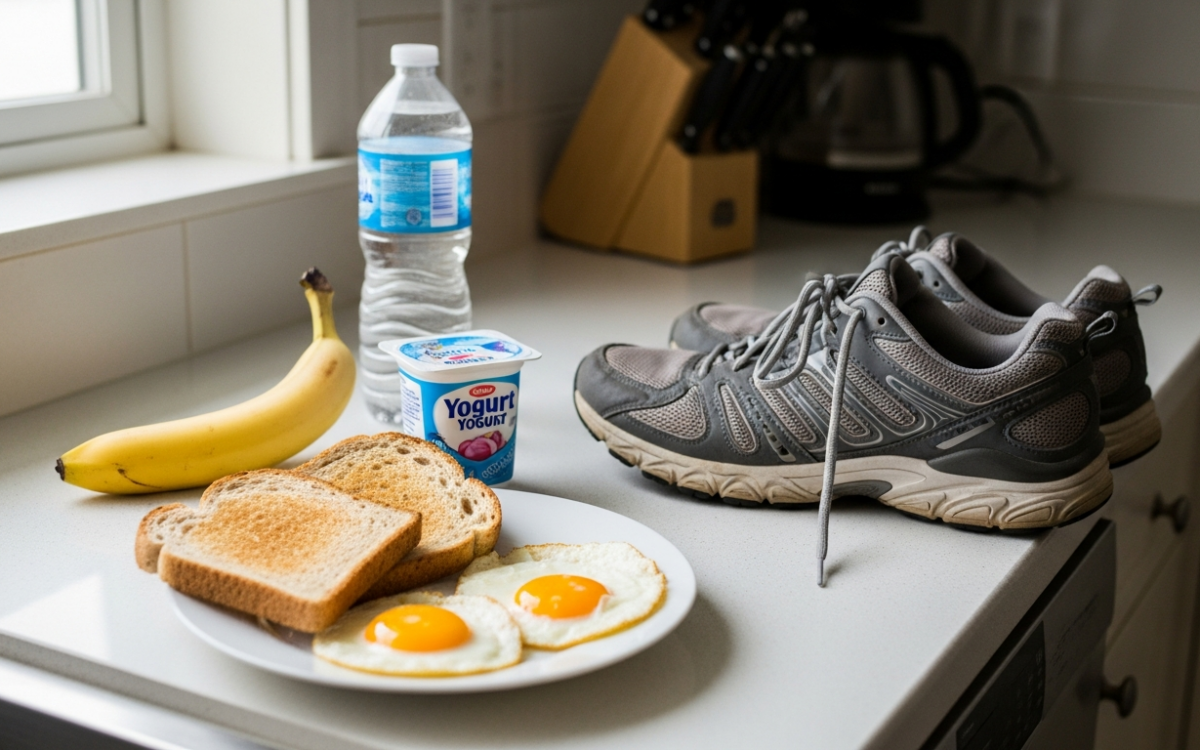
Quick answer: Sports nutrition is how you eat and drink to fuel exercise and recover well. Good sports nutrition means enough carbs for energy, protein for repair, and fluids to stay hydrated. It helps you train harder, feel better, and bounce back faster after tough workouts.
Key Takeaways
- Carbs are your main fuel for hard exercise, so eat enough before you train.
- Protein after a workout helps your muscles repair and grow stronger.
- Water matters most, but sweat also means you need some electrolytes.
- Timing your meals around exercise can boost energy and recovery.
What is sports nutrition?
Sports nutrition is the way you eat and drink to support exercise. It gives your body fuel before, during, and after activity. Good sports nutrition helps you move well, feel strong, and recover fast.
Your body needs energy to work. That energy comes from food. When you plan meals around your training, you get more from each session. This is true for runners, lifters, and weekend players alike.
Why does sports nutrition matter?
Sports nutrition matters because food is fuel. Without enough of it, you tire fast and feel weak. With the right foods, you can push harder and recover better.
Think of your body like a car. An empty tank will not take you far. The same goes for a hard workout. Also, poor fueling can slow your progress and raise your risk of injury.
Here are the main jobs that sports nutrition does for you:
- Gives you energy for training
- Helps muscles repair after hard work
- Keeps you hydrated during sweat sessions
- Supports steady focus and mood
- Builds a base for long term health
What are the key nutrients?
The three big players in sports nutrition are carbs, protein, and fluids. Each one has a clear role.
Carbs are your main energy source. Your body stores them as glycogen in your muscles. During hard exercise, this is the fuel you burn first. So eat whole grains, fruit, and starchy foods.
Protein rebuilds muscle. After you train, tiny tears form in your muscle fibers. Protein helps fix them. Good picks are eggs, beans, fish, yogurt, and lean meat.
Fats also give slow energy. They support hormones and help you soak up some vitamins. Choose nuts, seeds, and olive oil in normal amounts.
How do you fuel before a workout?
Eat a meal with carbs a few hours before you train. This tops off your energy stores. Add a little protein too.
If you only have a short window, keep it light. A banana or a slice of toast works well. Big, heavy meals right before exercise can upset your stomach. So give yourself time to digest.
Also, drink water in the hours before you start. Starting a session already thirsty is a common mistake. Steady sipping is better than one large gulp.
How does fueling during exercise work?
For most short workouts, water is enough. But for long or intense sessions over an hour, you may need extra carbs.
During long efforts, your glycogen runs low. That is when a quick carb helps. Sports drinks, gels, or a piece of fruit can keep you going. They give fast energy and some electrolytes.
You lose salt and fluids when you sweat. Replacing them helps prevent cramps and fatigue. For helpful guidance on healthy eating basics, visit the NIH.
What about recovery after training?
Recovery is a big part of sports nutrition. Eat within a couple hours after hard exercise. Aim for carbs plus protein.
Carbs refill your energy stores. Protein starts muscle repair. A simple option is a glass of milk, a smoothie, or chicken with rice. Also, keep drinking water to replace what you lost.
Rest and sleep matter too. Food alone will not fix everything. Good sleep lets your body use the nutrients you eat. Together, they build strength over time.
How much water do you need?
Water is the base of good sports nutrition. Most people should drink through the whole day, not just at the gym.
Weigh yourself before and after a long workout. If you lost weight, that is mostly fluid. Drink to replace it. Pale yellow urine is a good sign you are hydrated.
On very hot days or long events, plain water may not be enough. That is when electrolytes help. But you do not need sports drinks for a quick, easy workout.
Simple tips to start
Good sports nutrition does not need to be fancy. Start with real, whole foods. Eat enough carbs to fuel your goals. Add protein to each meal. Drink water often.
Listen to your body. Some days you need more food. Test what works for you before a big race or game. Never try new fuel on event day.
Ready to fuel smarter? Pick one small change this week and stick with it. Talk to your doctor or a dietitian before making big changes to your diet or training.
Frequently Asked Questions
What should I eat before a workout?
Eat a meal with carbs a few hours before you train, and add a little protein. If time is short, try a banana or toast. Avoid heavy meals right before exercise because they can upset your stomach. Also drink water beforehand so you start well hydrated.
Do I need protein right after exercise?
Protein after exercise helps your muscles repair the tiny tears from hard work. Aim to eat within a couple hours, with carbs plus protein. Good options include milk, yogurt, eggs, or chicken with rice. This combo speeds recovery and helps you feel ready for your next session.
Are sports drinks necessary?
For short workouts, plain water is enough. Sports drinks help during long or intense sessions over an hour. They give fast carbs and electrolytes lost in sweat. For a quick, easy workout, you usually do not need them. Save them for long efforts or very hot days.
How much water should athletes drink?
Drink water through the whole day, not just at the gym. A good check is pale yellow urine. Weigh yourself before and after long workouts to see how much fluid you lost, then replace it. On hot days or long events, you may also need some electrolytes.
Can sports nutrition help me lose fat?
Sports nutrition supports your energy and recovery, which helps you train well. Fat loss still depends on overall food intake and activity. Eating enough good food actually helps you work out harder. Talk to a dietitian to match your fueling to your goals in a safe, steady way.
For more, see our Nutrition & Diet articles.
This article is for general information only. It is not medical advice. Talk to your doctor before you make changes to your health routine.