Workplace Ergonomics Tips for a Healthier Work Day
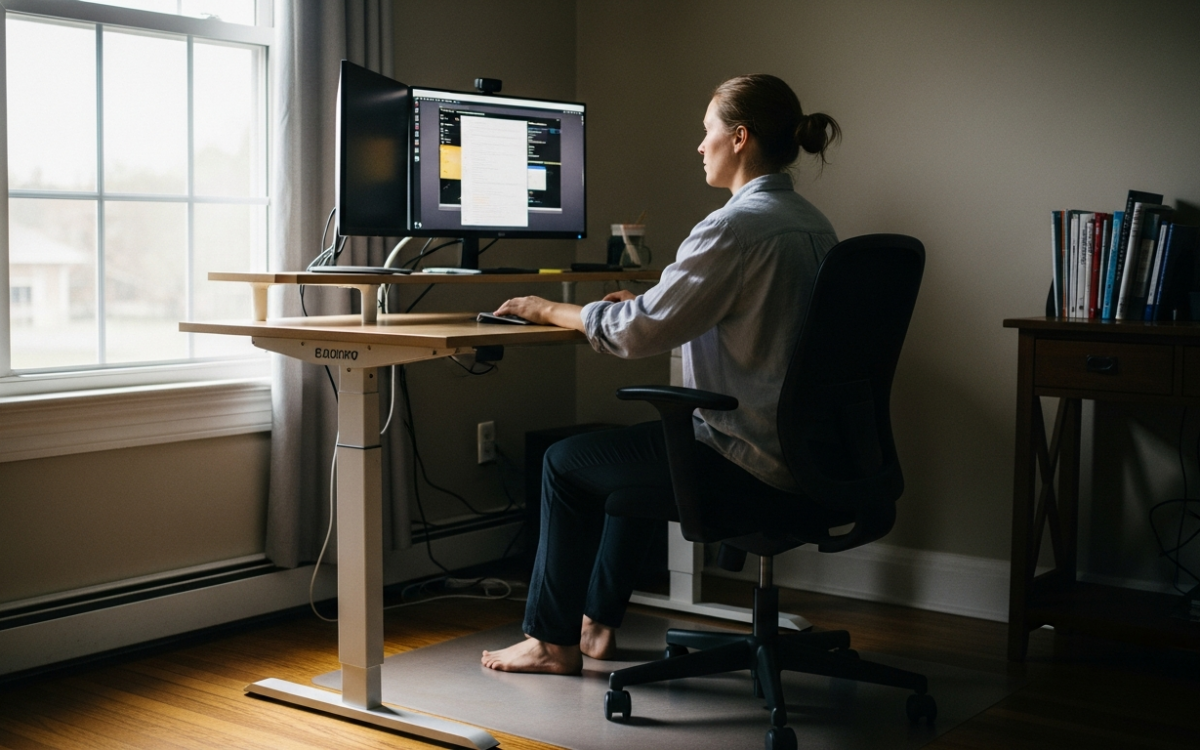
Quick answer: Workplace ergonomics means setting up your job space to fit your body. It lowers strain on your back, neck, wrists, and eyes. Good workplace ergonomics can prevent pain and injury, boost comfort, and help you work better through the day.
Key Takeaways
- Workplace ergonomics fits your work space to your body, not the other way around.
- Poor posture and repeated motions cause most office injuries.
- Small changes like screen height and chair support make a big difference.
- Taking short breaks every hour helps reduce muscle strain.
What is workplace ergonomics?
Workplace ergonomics is the study of how you fit your job to your body. The goal is simple. Reduce strain and prevent injury. When your desk, chair, and screen match your body, you feel less pain. You also get more done.
Many people work long hours at a desk. Sitting the wrong way adds up over time. For example, a low screen can bend your neck. A bad chair can hurt your back. Good workplace ergonomics fixes these small problems before they turn big.
Why does workplace ergonomics matter?
It matters because your body was not built to sit still for hours. Poor setups lead to aches, stiffness, and even long term injury. These are called repetitive strain injuries. They build slowly and can be hard to heal.
Good ergonomics also helps your mind. When you feel comfortable, you focus better. You get tired less. Also, fewer injuries mean fewer sick days. That is good for you and your workplace.
According to the CDC, work related muscle and joint problems are common and often preventable. Small changes go a long way.
How do you set up an ergonomic desk?
Setting up an ergonomic desk starts with your chair and screen. You want your body to rest in a natural line. Here is a simple checklist to follow.
- Sit with your feet flat on the floor.
- Keep your knees level with your hips.
- Set the top of your screen at eye level.
- Keep your screen about an arm’s length away.
- Rest your arms so elbows bend near a right angle.
- Keep your wrists straight while you type.
- Use a chair that supports your lower back.
These steps make workplace ergonomics easy to start. You do not need fancy gear. Even a book under your screen can help.
Common problems ergonomics can fix
Poor setups cause many everyday aches. Here are the most common ones.
Neck and shoulder pain. This often comes from a low screen or a hunched back. Raise your screen and sit tall.
Wrist strain. Typing with bent wrists hurts over time. Keep them flat and level. A wrist rest can help.
Lower back pain. A chair with no support is the usual cause. Add a cushion or use a lumbar support.
Eye strain. Staring at a screen tires your eyes. Look away often. Follow the 20 rule. Every 20 minutes, look at something far for 20 seconds.
How does workplace ergonomics help remote workers?
Workplace ergonomics helps remote workers avoid pain from makeshift setups. Many people work from a couch or kitchen table. That feels fine at first. However, it can hurt your body over weeks.
If you work from home, treat your space with care. Use a real chair when you can. Stack books to raise your laptop. Add a separate keyboard so your screen sits higher. These fixes bring good workplace ergonomics into any home.
Also, stand up and move often. A short walk resets your posture. It gets your blood flowing too.
Simple habits that support good ergonomics
Your setup is only part of the picture. Your habits matter just as much. Try these each day.
- Take a short break every hour.
- Stretch your neck, wrists, and back.
- Change your position often.
- Drink water so you stand up more.
- Keep your work tools within easy reach.
Small habits protect you over time. Because pain builds slowly, prevention is key. Good workplace ergonomics is a daily practice, not a one time fix.
When to get help
Sometimes small fixes are not enough. If you feel numbness, sharp pain, or tingling, pay attention. These can be signs of a deeper issue. Do not push through it.
Many workplaces offer ergonomic checks. Ask if yours does. A trained person can look at your setup and suggest changes. This makes workplace ergonomics far easier to get right.
Start with one change today. Raise your screen or fix your chair. Then build from there. Your body will thank you. Always talk to a doctor if pain does not go away or gets worse.
Frequently Asked Questions
What is the goal of workplace ergonomics?
The goal of workplace ergonomics is to fit your work space to your body. This lowers strain on your muscles and joints. It helps prevent pain and injury. It also makes you more comfortable and helps you work better through a long day.
How high should my computer screen be?
The top of your screen should sit at or just below eye level. Keep it about an arm's length away. This keeps your neck straight and reduces strain. If your screen is too low, stack books or a stand under it to raise it up.
Can bad posture at work cause long term harm?
Yes. Poor posture over months and years can lead to lasting neck, back, and wrist problems. These build slowly and can be hard to heal. Good workplace ergonomics and regular movement help stop these issues before they start.
How often should I take breaks at my desk?
Try to take a short break every hour. Stand up, stretch, and move around for a minute or two. This resets your posture and gets your blood flowing. Frequent short breaks reduce muscle strain and keep your energy up during the work day.
Do I need special equipment for good ergonomics?
No, you do not need to spend a lot. Simple fixes work well. Use books to raise your screen, a cushion for back support, and a chair that lets your feet rest flat. Good workplace ergonomics is more about smart setup than pricey gear.
For more, see our Health & Wellness articles.
This article is for general information only. It is not medical advice. Talk to your doctor before you make changes to your health routine.