Functional Fitness Training for Everyday Strength
Quick answer: Functional fitness training uses exercises that copy real life movements, like lifting, bending, and reaching. It builds strength, balance, and mobility that help you handle daily tasks. This makes chores, sports, and play easier while lowering your risk of injury over time.
Key Takeaways
- Functional fitness training copies real movements like squatting, pushing, and carrying.
- It boosts strength, balance, and mobility for daily tasks.
- You can do it at home with little or no equipment.
- Recreational fitness like hiking or dancing counts as functional too.
- Start slow and focus on good form to stay safe.
What is functional fitness training?
Functional fitness training is exercise that copies the way your body moves in real life. Think about lifting a bag, standing up from a chair, or reaching a top shelf. These moves use many muscles at once. So the goal is to train your body for everyday tasks, not just to look strong.
Most gym machines work one muscle at a time. But your body rarely moves that way. Functional fitness training focuses on full body patterns instead. For example, a squat trains your legs, hips, and core all together. That is how you move when you pick something up off the floor.
Why does functional fitness training matter?
Functional fitness training matters because it makes daily life easier and safer. When your body is strong and balanced, simple tasks feel less tiring. Also, you lower your chance of getting hurt.
As we age, strength and balance naturally drop. This can lead to falls and injuries. Regular movement helps slow that down. The CDC notes that staying active supports strength, mobility, and long term health. Functional fitness training gives you all of that in one plan.
Here are some clear benefits:
- Better balance and fewer falls
- Stronger core and back
- Easier daily chores
- More energy through the day
- Lower injury risk during sports and play
How does functional fitness training work?
Functional fitness training works by grouping muscles into movement patterns. Instead of one muscle, you train whole motions. This teaches your body to work as one unit.
The main patterns are simple. You push, pull, squat, hinge, carry, and rotate. Each one shows up in real life. For example, pulling a door open is a pull. Setting down groceries is a hinge. When you train these patterns, everyday movement feels smooth.
Because these moves use more muscles, they also burn more energy. So you get strength and heart benefits at the same time.
Simple functional fitness training moves to try
You do not need a gym to start. Many strong exercises use just your body weight. Try these basic moves and focus on slow, clean form.
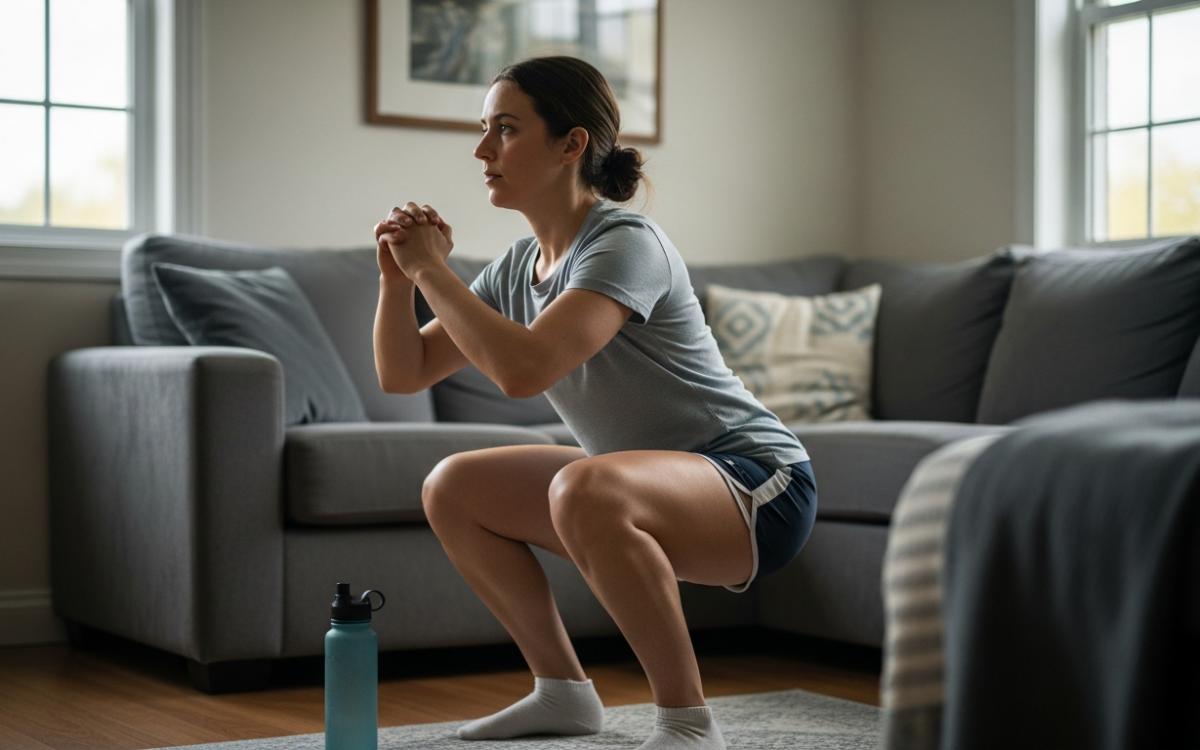
- Squats: Sit back like you are lowering into a chair.
- Lunges: Step forward and bend both knees.
- Push ups: Do them on your knees if needed.
- Planks: Hold a straight line to build your core.
- Farmer carries: Walk while holding weights or bags.
Start with two or three sessions each week. Rest between days. Add small challenges as you get stronger, like more reps or heavier weight.
How is recreational fitness part of this?
Recreational fitness is any fun activity that keeps you moving. It fits right into functional fitness training because play uses real movement too.
Think about hiking, swimming, dancing, or playing with your kids. These use your whole body in natural ways. They build strength and balance without feeling like a chore. Also, fun activities help you stick with them. That matters more than any perfect plan.
So mix structured workouts with play. For example, do squats and carries during the week. Then go for a weekend hike. Both count.
How to start functional fitness training safely
The best way to start is slow and steady. Pick a few basic moves. Focus on form before speed or weight. Good form protects your joints and helps you improve faster.
Warm up first with light movement. Walk or stretch for a few minutes. This gets your body ready. After your workout, cool down and drink water.
Listen to your body too. Some soreness is normal. Sharp pain is not. If something hurts, stop and rest. Over time, your strength and balance will grow. Then daily life feels easier.
Functional fitness training is a smart choice for almost anyone. It fits busy lives and works with little gear. Best of all, it helps you feel strong for the things you love.
Ready to move better? Pick one exercise from this list and try it today. Small steps add up fast. Always talk to your doctor before starting a new exercise plan, especially if you have any health concerns.
Frequently Asked Questions
Is functional fitness training good for beginners?
Yes, functional fitness training is great for beginners. You can start with simple body weight moves like squats and planks. Focus on good form first. Then add reps or weight slowly. This helps you build strength safely without needing fancy gear or a gym.
How often should I do functional fitness training?
Most people do well with two or three sessions each week. Give your body rest days between workouts. This lets your muscles recover and grow stronger. You can also add fun activities like walking or hiking on other days to stay active and balanced.
Do I need equipment for functional fitness training?
No, you do not need equipment to start. Many moves use just your body weight, like lunges, push ups, and planks. As you get stronger, you can add simple tools. Dumbbells, resistance bands, or even heavy bags work well for extra challenge.
What is the difference between functional and regular workouts?
Regular gym workouts often train one muscle at a time on machines. Functional fitness training uses full body movements that copy real life. It works many muscles together. This helps with daily tasks like lifting, bending, and carrying, not just building single muscles.
Can functional fitness training help with back pain?
It may help by building a stronger core and better posture. A strong core supports your spine during daily movement. However, results vary by person. If you have back pain, talk to your doctor first. They can guide safe moves for your needs.
For more, see our Fitness articles.
This article is for general information only. It is not medical advice. Talk to your doctor before you make changes to your health routine.