Heart Disease Warning Signs
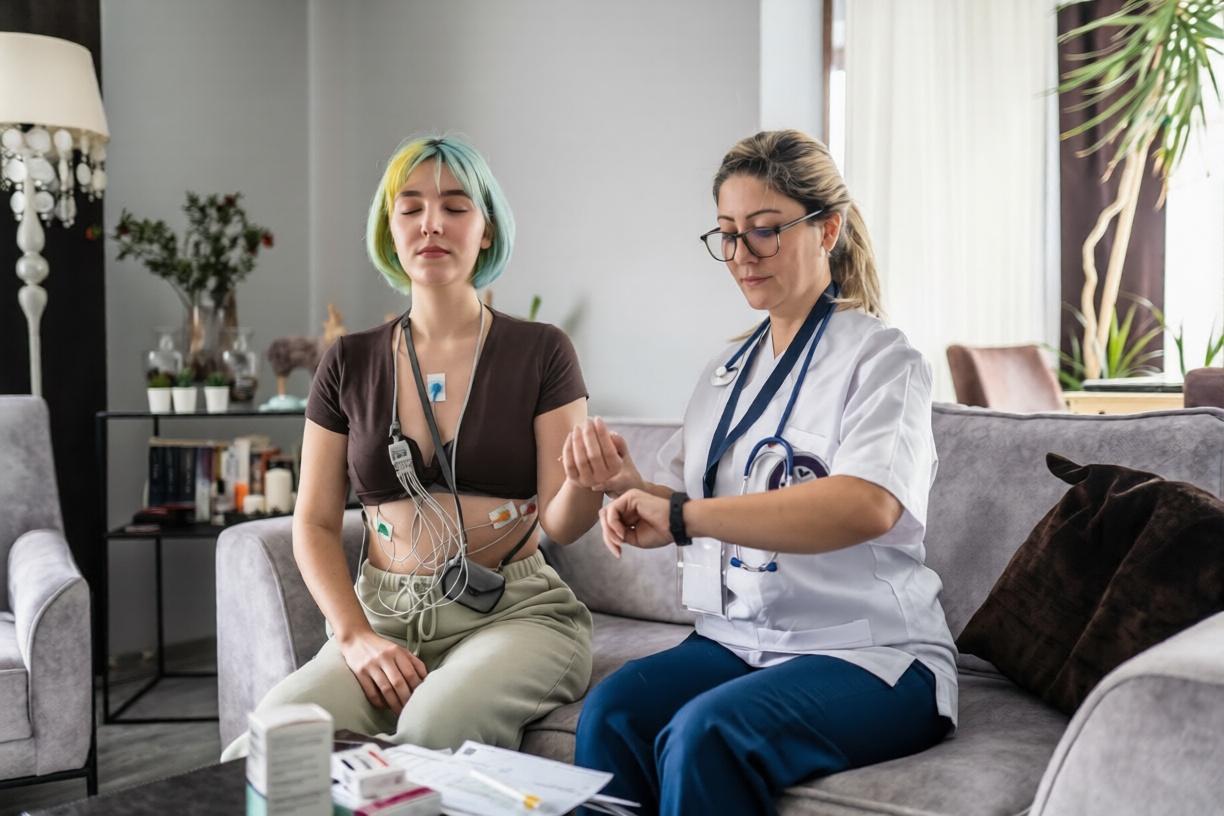
Knowing the heart disease warning signs can help you act early and protect your long term health. Medical conditions often develop slowly. Understanding the causes, warning signs, risk factors, and prevention steps linked to heart disease can improve your health outcomes over time. Education helps you spot symptoms early, seek care fast, and make smart lifestyle changes that lower the chance of complications.
How Heart Problems Develop Over Time
Most chronic conditions come from a mix of genetics, lifestyle factors, environmental exposures, and aging. Early detection plays a big role in stopping the problem from getting worse. Many diseases begin with subtle symptoms. These can be missed or mistaken for short term discomfort. Learning to notice patterns rather than single events is key.
When you watch for repeated changes, you get a clearer picture of your health. One bad day may mean little. The same symptom showing up week after week may mean something more. This is why tracking how you feel matters so much.
Common Risk Factors to Watch
Risk factors change based on the condition. Still, many are the same across the board. They often include a sedentary lifestyle, poor nutrition, smoking, too much alcohol, chronic stress, poor sleep, and family history. Some risk factors cannot be changed. But many can be improved through steady lifestyle habits.
- Sitting too much during the day
- Eating processed foods low in nutrients
- Smoking or using tobacco
- Drinking too much alcohol
- Living with high stress
- Not getting enough sleep
- A family history of heart problems
You cannot change your genes or your age. But you can change your daily choices. Small steps add up over time and can make a real difference.
Prevention Strategies That Work
Prevention usually focuses on balanced nutrition, regular physical activity, weight management, routine screenings, and stress reduction. Preventive appointments let clinicians check your blood pressure, blood sugar, cholesterol levels, hormonal balance, and organ function. These routine checks give you useful baseline data. They also help find problems early. You can learn more about prevention from the CDC.
Think of prevention as a daily habit, not a one time task. A short walk, a better meal, and a good night of sleep all count. Over time these habits build strong protection for your heart.
Recognizing Heart Disease Warning Signs Early
Symptoms can range from mild to severe. Persistent fatigue, unexplained weight changes, recurring pain, shortness of breath, chest discomfort, dizziness, changes in digestion, or unusual bleeding should never be ignored. Even small changes that last for weeks deserve a professional check. These heart disease warning signs may seem minor at first, but they can point to a deeper issue.
Do not wait for symptoms to become severe. If something feels off and stays that way, book an appointment. Early care often leads to better results and fewer problems later.
How Doctors Reach a Diagnosis
Diagnostic evaluation may include blood tests, imaging studies, a physical exam, and a review of your medical history. An accurate diagnosis guides the right treatment. It also cuts down on care you do not need. Trying to self diagnose through online searches can raise your worry and delay proper care.
Bring notes to your visit. List your symptoms, when they started, and how often they happen. This helps your clinician make a faster and clearer diagnosis.
Treatment Approaches
Treatment depends on the condition and how severe it is. Lifestyle change often forms the base of care. In some cases, medication or procedures may be needed. Following medical guidance in a steady way improves your long term outcomes.
Stick with your plan even when you feel better. Many heart conditions need ongoing care. Skipping steps can undo your progress.
Caring for Mental and Emotional Health
It is also important to address how a diagnosis affects your mind and mood. Chronic conditions can change how you feel, your confidence, and your daily life. Support networks, counseling, or patient education programs can help you cope. They can also help you stick to your treatment plan.
You do not have to face a diagnosis alone. Family, friends, and support groups can lift some of the weight. A calmer mind can also support a healthier heart.
Monitoring Your Progress
Monitoring is an ongoing process. Regular follow up visits make sure your treatment still works. They also let your care team adjust things as needed. Tracking symptoms, medication use, and lifestyle habits gives useful insight into patterns over time.
Keep a simple log. Note your meals, your activity, and how you feel each day. Over weeks and months this record can reveal helpful trends.
Why Patient Education Matters for Heart Disease Warning Signs
Patient education lowers fear and doubt. When you understand how a condition develops, what triggers flare ups, and which heart disease warning signs mean urgent care, you feel more confident. This knowledge helps you take an active role in your health choices.
The more you learn, the better you can protect yourself. Knowing the heart disease warning signs helps you know when to rest, when to call your doctor, and when to seek emergency help.
When to Seek Emergency Care
Emergency symptoms should always be taken seriously. Sudden chest pain, trouble breathing, severe neurological changes, confusion, uncontrolled bleeding, or loss of consciousness need immediate care. A fast response can prevent life threatening problems.
Do not try to wait these out. Call for help right away. Acting fast can save a life, including your own.
Putting It All Together
In the end, informed awareness, preventive care, and timely action form the base of good disease management. By pairing medical guidance with steady lifestyle habits, you can improve your quality of life. You can also lower your long term risk from both chronic and sudden conditions.
Remember that heart health is built day by day. Each healthy choice, each screening, and each timely visit adds up. Learning the heart disease warning signs is one of the smartest steps you can take for your future.
For more, see our Medical Conditions articles.