The Role of Mobility and Flexibility in Fitness
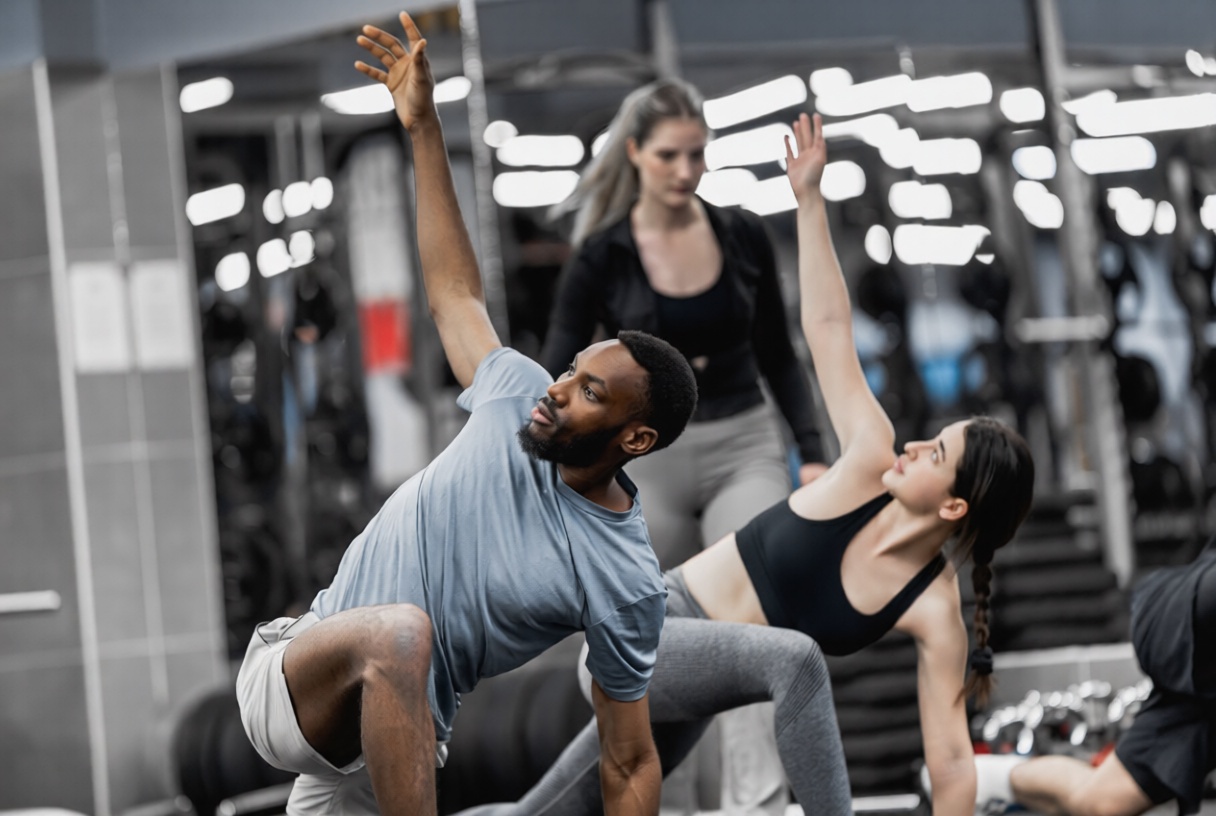
Mobility and flexibility play a big part in how well your body moves and how strong it stays over time. Physical activity is one of the most powerful tools for better health, more energy, and lasting resilience. When you understand how movement helps your heart, muscles, metabolism, and mind, you can train with a clear plan instead of guessing. This article looks at the basics, the smart strategies, and the steady habits that support fitness.
How Exercise Builds a Strong Heart
Regular exercise strengthens the cardiovascular system by improving heart efficiency and circulation. As the heart becomes more conditioned, it pumps blood better. This lowers your resting heart rate and helps keep blood pressure in check. Over time, this lowers your risk for heart disease and stroke. Even moderate activities like brisk walking, cycling, or swimming can bring real gains in endurance and oxygen use when you do them often. You can learn more from the CDC.
Strength and Endurance Matter
Muscular strength and endurance are key parts of overall fitness. Strength training works your muscle fibers, builds bone density, and steadies your joints. As you age, keeping lean muscle becomes vital for independence, metabolic health, and injury prevention. You can use bodyweight, resistance bands, free weights, or machines. Each one can be set to match nearly any fitness level.
Why Mobility and Flexibility Support Movement
Mobility and flexibility let your joints move well through their full range of motion. Poor mobility raises the chance of strain, stiffness, and odd movement patterns. Add dynamic warm-ups before you exercise and gentle stretching after. This supports better performance and faster recovery.
Consistency Over Intensity
Consistency matters more than intensity. Short, repeatable workouts done a few times each week beat rare, all-out sessions. Build a routine that fits your real life. This makes it easier to stick with and helps you succeed for the long run.
Rest and Recovery
Recovery is often ignored, but it is vital for progress. Muscles repair and grow during rest, not during the workout. Good sleep, water, and balanced food help tissue repair and hormone balance. Without enough recovery, progress can stall and injury risk goes up.
Make It Personal
Individual needs are key. Your age, starting fitness, health conditions, and goals all shape your plan. Beginners can focus on basic patterns like squats, lunges, push-ups, and pulling moves. More advanced people may add resistance, sharpen form, or try interval training.
Progressive Overload and Smart Warm-Ups
Progressive overload is one of the most important training rules. Slowly add resistance, reps, time, or intensity to push your body without overload. Small steps add up to big gains over months and years.
Warm-ups and cool-downs support safety and results. Light cardio and mobility drills prime your muscles, boost coordination, and cut stiffness. Cooling down helps bring your heart rate and blood flow back to normal.
Track Your Progress
Tracking your workouts keeps you honest and shows your trends. Note your sets, reps, time, and effort level. This helps you spot progress and weak spots. Tracking means you rely less on motivation alone.
Building Mental Strength
Mental resilience grows with physical strength. Getting through hard workouts builds confidence, discipline, and stress tolerance. These gains carry over far beyond the gym.
The Bigger Picture With Mobility and Flexibility
In the end, lasting fitness needs balance. That means steady effort, enough rest, real expectations, and flexibility when life shifts. Mobility and flexibility keep your body ready for daily tasks and workouts alike. Long-term health benefits show up when movement becomes a steady lifestyle, not just a short phase.
Regular exercise strengthens the cardiovascular system by improving heart efficiency and circulation. A conditioned heart pumps blood more effectively, lowers your resting heart rate, and supports healthy blood pressure. Over time, this cuts your risk for heart disease and stroke. Moderate activity done often brings clear gains in endurance and oxygen use.
Strength and endurance stay essential. Strength training works muscle fibers, builds bone, and steadies joints. Keeping lean muscle as you age supports independence and injury prevention. Any tool, from bands to machines, can fit your level.
Good mobility and flexibility let joints move through their full range of motion. Weak mobility leads to strain and stiffness. Dynamic warm-ups and gentle stretching keep you moving well and recovering fast.
Consistency beats intensity. Short, repeatable workouts done weekly bring steady results. Recovery lets muscles repair, so sleep, water, and food all matter. Personal plans work best, and progressive overload keeps your body adapting. Track your work, build mental strength, and stay balanced. That is how movement becomes a lasting habit rather than a passing trend.
For more, see our Fitness articles.